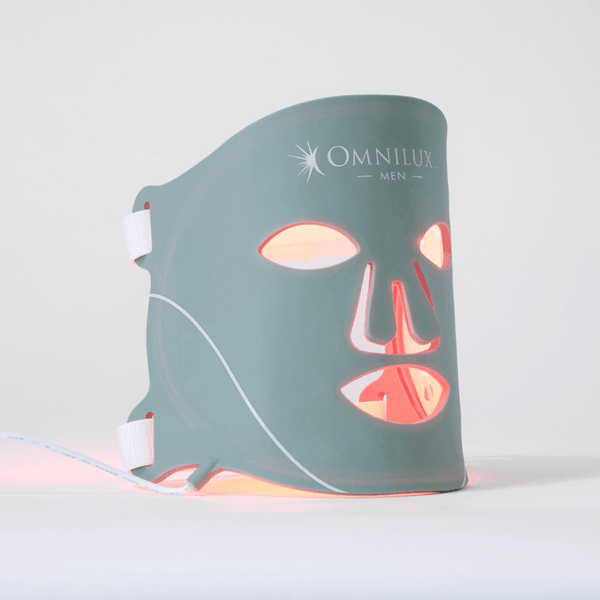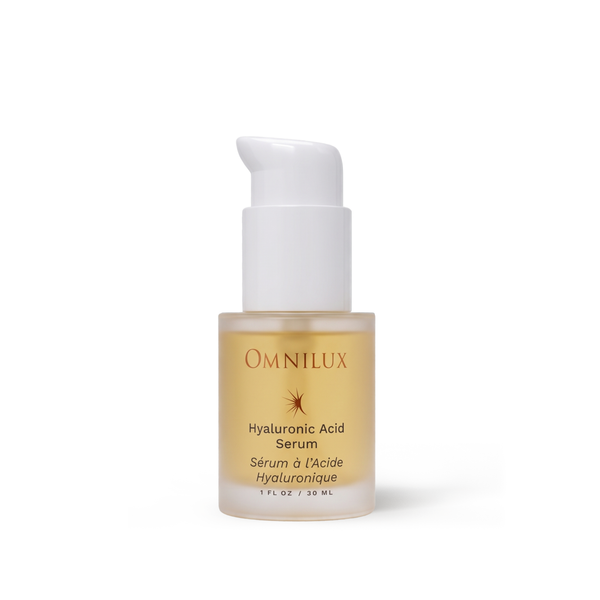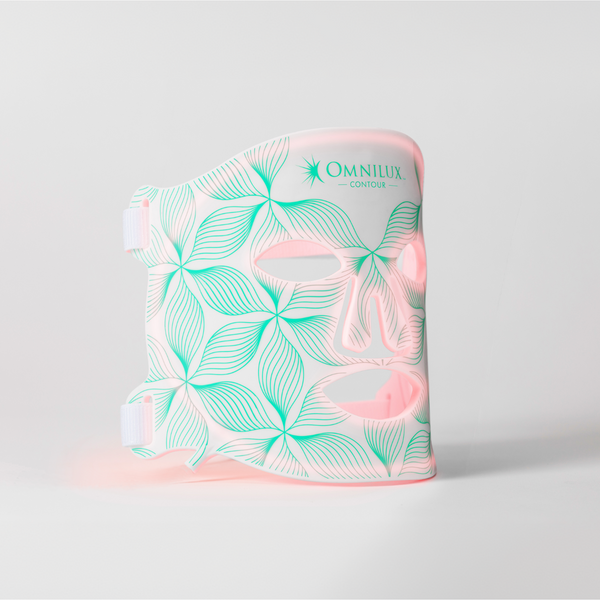
Omnilux Contour Face
Boost collagen to reduce the appearance of fine lines and wrinkles, and promote smoother, healthier-looking skin
$395.00
Boost collagen to reduce the appearance of fine lines and wrinkles, and promote smoother, healthier-looking skin
$395.00

Although these claims can be confusing, with a little clarification, you can decipher them in your search for a reputable LED device. In this article, we’ll break down what these terms truly mean and offer insights into separating legitimate evidence from marketing jargon.

Done right, LED skincare gifts can tick every box: functional and luxurious, with results that keep giving over time. But achieving this level of gifting prowess isn’t as simple as it may seem. It requires finding an LED light therapy device that truly fits your loved one’s needs and routine. Instead of starting with a device, start with the person you’re shopping for, letting their skincare preferences and goals guide you. Below, we’ll provide curated recommendations for everyone on your holiday gift list, with a few so good you’ll want to keep them yourself! Why Gift Omnilux? Honing your gift shopping starts with finding a reputable brand. In LED light therapy, Omnilux is a clear leader, providing medical-grade, dermatologist-recommended devices you can count on to impress your giftees. Omnilux LED light therapy devices are FDA-cleared and backed by over 40 peer-reviewed brand studies, illustrating their dependability for everyone on your gift list. They’re also trusted by over 700,000 users and used in over 5,000 dermatologist offices, so you can gift with confidence, even for your most discerning loved ones. Here’s where Omnilux can truly elevate your gift strategy: the Omnilux device collection includes a variety of products featuring different wavelengths, treatment areas, and intended uses. Each device suits a particular skincare need, so you can personalize your choice based on each giftee’s needs and preferences. The best Omnilux device for gifting depends on who’ll be using it and what matters most to their skin. Let’s dig into examples of how Omnilux devices can suit different archetypes, from the LED beginner to the skincare obsessed. For the One Who Wants to Age Gracefully Omnilux and graceful aging are a perfect match. Whether your giftee is just starting to invest in their routine or is already serious about skin rejuvenation, Omnilux Contour Face can help them address concerns like fine lines, wrinkles, and uneven skin tone and texture. Omnilux Contour Face stimulates the skin’s natural healing and rejuvenation process. It combines two wavelengths, 633nm red and 830nm near-infrared, to support collagen and elastin production. Rather than trying to reverse or fight the inevitable, Omnilux Contour Face supports a healthy-looking, radiant complexion with gradual, sustainable improvements. For the One Who Never Forgets Their Neck Facial skin tends to get all the attention, but the thin, delicate skin of the neck deserves TLC, too. For anyone attuned to signs of aging in the neck, Omnilux Contour Neck & Décolleté is a thoughtful, practical gift. Omnilux Contour Neck & Décolleté features a flexible silicone design that molds around the neck and décolleté. It targets signs of aging, like fine lines and uneven skin tone, with the same science-backed wavelengths as Contour Face. Even comprehensive skincare routines often neglect these areas, making this LED light therapy device a valuable addition. For the One Who Works With Their Hands Have a loved one whose hands take a beating, whether from work, hobbies, caregiving, or life’s everyday chaos? Give those hands and wrists some much-deserved pampering with Omnilux Contour Glove. This unique LED light therapy device targets this often overworked, overlooked area with 633nm red and 830nm near-infrared light to improve visible signs of aging and help relieve joint discomfort and pain.* These benefits make it a caring gift for those struggling with common hand and wrist conditions (and they’ll enjoy younger-looking hands, too!). For the One Navigating Breakouts Giving skincare to anyone navigating breakouts requires careful consideration. While you don’t want to highlight the presence of breakouts, an effective skincare tool can help build their confidence. Omnilux Clear is cut out for the challenge as an FDA-cleared, science-backed device to help treat mild to moderate acne vulgaris on the face. Omnilux Clear works by targeting acne-causing bacteria in the pores. Over time, it reveals a brighter, healthier-looking complexion. It’s intended to be used as a treatment for active acne, rather than a preventative treatment for clear skin, so gift thoughtfully to ensure the best results. For the Man Who’s Getting Into Skincare Don’t neglect the men on your list; they can experience the joy of skincare, too! No matter where they’re at in their skincare journey, from building up the basics to seeking high-performance additions, Omnilux Men is a clear winner. A NYT Wirecutter Pick, this LED light therapy mask is designed specifically for men’s ~25% thicker skin with 1072nm near-infrared light, which has been shown to penetrate deeper into tissue. This specialized wavelength, along with 633nm red and 830nm near-infrared light, helps reduce fine lines and wrinkles, improve overall skin tone, and boost firmness. Omnilux Men is recommended for use in three to five 10-minute treatments per week for four to six weeks, followed by maintenance sessions as desired. It fits securely around the face, making multitasking (like answering emails or watching TV) a breeze. This makes it an effective option for those who need a straightforward skincare routine. For the LED Beginner Anyone looking to dip their toes into LED light therapy, without committing to a full-on device, will appreciate Omnilux Minis. They feature the same powerful Omnilux technology in a compact package, and each is targeted toward a specific skin goal. They’re fun-sized, stocking-ready, and a fail-proof gift for the LED-curious. Mini Eye Brightener The under-eyes are a common trouble spot for signs of fatigue and aging. With 633nm red and 830nm near-infrared light wavelengths, the Mini Eye Brightener gives the eyes a smoother, brighter, healthier look. It’s a fitting choice for those who might be struggling to get enough shut-eye, like new parents or frequent travelers. Mini Skin Corrector The Mini Skin Corrector delivers 633nm red and 830nm near-infrared light wherever your recipient needs it the most. It’s designed for targeted areas where fine lines, wrinkles, and uneven skin texture are the priority. Mini Blemish Eraser With 633nm red and 415nm blue light wavelengths, the Mini Blemish Eraser targets active blemishes for a clearer, calmer complexion. Small but mighty, it’s an excellent introduction to LED light therapy for blemish-prone skin. For the Skincare Obsessed Purchasing skincare for a skincare aficionado comes with pressure: not just any product is going to impress them. That’s why we’d recommend pulling out all the stops with an Omnilux bundle. Each bundle combines Omnilux products to create a comprehensive, synergistic routine. Options include: Best Sellers Bundle, featuring the Contour Face device and the LED Essentials Bundle, a trio of dermatologist-formulated topical skincare including Enzyme Powder Cleanser, Hyaluronic Acid Serum, and Peptide Concentrate to nourish the skin before, during, and after LED sessions. Age Renewal LED Bundle, which pairs Contour Face and Contour Neck & Décolleté devices to support radiant skin from face to chest Still Not Sure What to Gift? You don’t need to be an LED expert to select the right device for every person on your list. The ideal pairing is simply a device that matches the recipient’s needs and routine. If you’re still contemplating your options after this Omnilux device comparison, don’t worry: you can browse the complete Omnilux LED device collection to learn more about features and benefits. Don’t forget to keep an eye out for yourself; this article might just have sparked inspiration for your own wish list! *Omnilux Contour Glove is regulated by the FDA for the treatment of pain. Outside of the US, Omnilux Contour Glove is pending review for pain management.
Read more
January is a challenging time for motivation: the holidays are over, the resolution pressure is on, and the remaining stretch of winter can feel bleak. But imagine entering this notorious period already settled into a productive routine you’ve established over the last three months. Enter the winter arc. If you haven’t yet seen it on social media, this trend refers to a push of self-improvement from October through January 1st, helping you prioritize wellness through the darker, colder months and start the New Year with a serious head start over typical resolution-setting. Plus, since it stretches across a quarter of the year, it shifts the goal from a dramatic transformation to consistent, realistic habits that inspire lasting results. Your winter arc can revolve around anything that benefits your well-being and quality of life, and that includes skin health! Ahead, we’ll discuss how implementing an at-home LED light therapy routine in the coming months can help you look and feel your best as you ease into the holidays and a fresh new year. The Best Routine Is the One You Can Actually Keep Amid the confetti and champagne, New Year’s often inspires overly ambitious resolutions and hard-to-maintain habits. These goals lack the foundation for longevity: there’s too much pressure and not enough room for a bad week. Plus, they ignore the science: habits take an average of 106 to 154 days to form, according to a Healthcare review and meta-analysis, but a Forbes Health poll found that the average New Year’s resolution lasts less than four months. Realistically, you’ll need at least two months of consistent baby steps to implement a new habit. This demands that your goals be simple, repeatable, and realistic. For those striving to improve their skin, at-home LED therapy ticks these boxes with a recommended regimen of three to five 10-minute treatments per week. It also fits into existing skincare routines, rather than overtaking them; small changes are far easier to stick to than complete overhauls. Why LED Light Therapy Rewards Consistency During LED light therapy, the device directs specific light wavelengths at the skin. The skin absorbs this light to support its natural processes. The clinically-studied red and near-infrared light wavelengths used in Omnilux LED light therapy devices support processes associated with skin rejuvenation, including collagen and elastin production. LED light therapy doesn’t boast instant results; instead, it rewards consistent use over time with natural-looking radiance. By supporting the skin’s innate rejuvenative abilities, it helps you become the best version of yourself. This makes it an excellent choice for your winter arc skincare routine and beyond, with the versatility to benefit a range of skin goals and concerns. Build Your 10-Minute Winter Arc Routine We’ve established that LED light therapy can deliver lasting results with consistency and patience, but you might still be wondering how to build a skincare routine that sticks. We’re here to help with an achievable regimen built especially for your winter arc, with a little help from Omnilux. A gentle, rush-free cleanse: Think of this as a moment to relax and release any stressors you might be holding onto; give your face a little massage and enjoy the refreshing sensation of washing away makeup, oil, and debris. Product recommendation: Enzyme Powder Cleanser for gentle exfoliation, or Salicylic Acid Cleanser to help unclog pores and clear away dirt and oil buildup A soothing serum: Especially as temperatures and humidity plummet, your skin needs a little extra help to stay calm and hydrated. Apply a serum formulated to complement your LED session for pre-LED use with nourishing ingredients, like hyaluronic acid, before your session to combat cold-weather sensitivities. Product recommendation: Hyaluronic Acid Serum for deep hydration, or Noni Balancing Serum for hydration plus oil control 10 minutes of LED light therapy: Omnilux Contour (for skin rejuvenation) is recommended for use three to five times weekly, 10 minutes at a time; Omnilux Clear (for blemish-prone skin) is recommended for use four times weekly, 10 minutes at a time, when you have active blemishes. These flexible silicone masks are comfortably secured with Velcro straps, so you can easily stack another habit onto your LED sessions. Sip a cup of herbal tea, write a journal entry, spend some time reading, or press play on a curated Omnilux Spotify playlist…any relaxing ritual that you’ll look forward to. Rich hydration: Finish off your routine with an active-rich topical that helps bring out your skin’s natural radiance. Hand-pick this topical skincare product based on your individual goals and concerns. Product recommendation: Peptide Concentrate to smooth fine lines, Squalane Jelly Moisturizer to soothe the skin, or CoQ10 Face Cream for deep hydration No two days look the same, especially during the holiday rush. On hectic travel days, pare back as needed: if your flight arrives late, you can leave the LED session for your morning routine (and don’t forget the sunscreen!). When you have time to indulge in a little extra self-care, throw on a Hydrogel Facial Mask before your LED light therapy device for an extra dose of hydration. Simpler days aren’t failures, and home spa days aren’t the norm: this flexibility is how you foster long-term results. Track Progress Without Obsessing Over the Mirror We see our faces in the mirror every single day. This makes it challenging to notice gradual changes as they occur, but celebrating those small wins is essential to staying motivated. To document your LED light therapy before-and-after timeline, take daily progress photos. Keep the lighting, angle, and timing (morning or night) the same; removing these external factors will paint a clearer picture of your progress. The goal of these images isn’t to obsess over your skin or scrutinize every imperfection. It’s to make progress tracking as simple as possible so you can appreciate (or adjust) your winter arc routine. Take the Routine Into the New Year When you enter January with winning habits already in place, you don’t have to start the year with the stress and pressure of a brand-new routine. A winter arc provides valuable time to adopt a methodical, sustainable routine, laying the foundation for a successful year ahead. With consistency, realistic expectations, and confident habit-setting, you could have noticeably healthier-looking skin before the New Year even begins. Explore the Omnilux collection to browse devices for your winter arc, including the best LED light therapy devices for beginners.
Read more
As fall brings cooler weather and the back-to-school rush, you may be reminiscing about slower summer days, when you had the time to indulge in lengthy beauty routines and maybe a spa treatment or two. As temperatures plummet and air becomes drier, your skin barrier may struggle to retain its healthy, luminous glow. But while the summer months may be wrapping up, you can prolong your summer radiance (without prolonging your to-do list) with red and near-infrared light therapy.Let’s explore the top five reasons why you need LED light therapy this fall to ensure your skincare goals don’t fall to the wayside. Your Skin Barrier in Autumn Before unveiling our top five reasons to make red and near-infrared light therapy your fall skincare staple, let’s explore how your skin barrier copes with the colder, drier seasons.The skin barrier is your skin’s outermost layer, and it serves as your body’s first line of defense against external threats. It acts like a boundary against environmental stressors and other potentially harmful toxins. It also prevents water loss, helping keep your skin hydrated, smooth, and healthy.In fall and winter, lower temperatures and humidity levels undermine the skin barrier’s ability to retain moisture. This means your go-to summer skincare routine may not provide enough hydration to keep the skin barrier resilient, often leading to dryness and tightness. For the estimated one in three Americans who struggle with skin conditions, cold weather’s impact on the skin barrier can lead to flare-ups. Even active acne, which some assume benefits from dry weather to prevent excess sebum production, can flare up when the skin barrier is compromised. Barrier damage throws off the skin’s overall balance, setting the stage for increased inflammation and general dysfunction. Skin may even overproduce oil to compensate for the excess dryness, contributing to clogged pores and worsened breakouts. But colder weather isn’t the only factor that can spur skin barrier damage. Other common culprits include: Over-exfoliation Stress Harsh skincare products Combining too many strong active ingredients 5 Ways Red Light Therapy Can Support Skin in Every Season In fall and winter, when your skin barrier is more vulnerable to disruption, LED light therapy can provide the extra support it needs to remain strong and comfortable. 1. Brighten Skin and Improve Clarity After summer days spent in the sunshine, many of us can benefit from skin treatments that target environmental stressors. Red light therapy can help visibly brighten skin tone and improve overall clarity. The 633nm red light wavelength featured in Omnilux LED devices, including Omnilux Contour Face, Omnilux Men, and Omnilux Clear, supports cellular renewal to reveal healthier-looking skin. 2. Boost Cellular Repair and Collagen Production Red light therapy is often paired with near-infrared light for additional skin-enhancing benefits. 830nm near-infrared light is commonly known to target deeper fibroblast cells to stimulate new collagen and elastin production for visibly firmer, smoother-looking skin. Collagen fibers give your skin structure and elasticity while supporting skin cell regeneration. They also keep the skin barrier robust, helping to prevent water loss, dryness, and irritation during colder months. Red and near-infrared light therapy is commonly known to support your skin’s ability to generate barrier-protecting collagen, especially as collagen levels naturally decline due to aging. 3. Non-Invasive Skincare Treatment Looking to avoid invasive treatments with lengthy recovery times and potential complications? LED light therapy is a strong option: It’s entirely non-invasive and involves quick, painless treatment sessions that require no downtime.LED light therapy is also gentle enough to use regularly and in combination with other treatments, like microneedling, chemical peels, and injectables. So, while it works well alone, red and near-infrared light therapy can be used alongside more invasive in-office treatments to enhance results and support healing. 4. Convenient 10-Minute Treatments Many of us are left with less self-care time in the fall. Thankfully, LED light therapy can help you carry through that summer glow without neglecting your schedule. Omnilux LED devices are recommended for use in 10-minute sessions, three to five times weekly. While wearing your full size or mini LED device, you can go about your morning or nighttime routine, making the treatment as efficient as it is restorative. Or, if you’ve already checked off the day’s to-do list, close your eyes and take a breather while the red light works its magic. 5. Enhance Topical Skincare Absorption Red and near-infrared light therapy can complement your topical skincare, ensuring your skin gets the greatest benefit from every drop. For the best possible results, we recommend using topical skincare that’s specifically formulated to complement LED light therapy, like those available from Omnilux. Omnilux LED Essentials Bundle combines three topical skincare products that were formulated by renowned specialist Dr. Hany Abi Ghosn to quench, soothe, and brighten your skin while amplifying red and near-infrared light therapy’s rejuvenating benefits. As a convenient bundle, it takes the guesswork out of your daily skincare, and consists of: Enzyme Powder Cleanser (for pre-LED therapy) contains papaya extract and papain enzymes for ultra-gentle exfoliation that lifts away impurities. Hyaluronic Acid Serum (to wear during LED therapy) is formulated with hyaluronic acid to deeply hydrate the skin, along with niacinamide for a brighter, more even complexion. Peptide Concentrate (for post-LED therapy) contains Matrixyl and Argireline, two potent peptides to smooth fine lines and wrinkles while protecting against moisture loss. Self-care isn’t just for summer. Prioritize your skin with red and near-infrared light therapy to make a supple, radiant complexion your favorite autumn accessory.
Read more
It’s always wise to vet the safety of your new skincare purchases. While it adds a step to the shopping process, it protects against unwanted effects. So if you’re wondering about LED mask safety, rest assured: FDA-cleared, clinically evaluated LED masks are designed for safe at-home use when used as directed. This doesn’t mean that all at-home LED masks are inherently safe, but that adhering to certain criteria can guide you to a safe option. Omnilux LED devices lead with safety and transparency to make your choice easy. Our medical-grade devices are meticulously tested, backed by over 40 peer-reviewed brand studies, trusted by over 700,000 users, and conform to the highest eye safety standards. But don’t just take our word for it: read on for everything you need to know about eye safety, skin sensitivity, and proper LED mask usage. Are LED Masks Safe for Your Eyes? Many people wonder whether LED masks can damage your eyes, as they emit light close to the eye area. But LED masks use visible light wavelengths, like red and near-infrared, not UV (ultraviolet) light. This distinction matters for eye safety, because unlike UV-based treatments, LED light therapy uses non-ionizing light that doesn’t damage skin cells or DNA. Still, selecting an LED mask that adheres to eye safety standards is the best way to ensure worry-free use. Omnilux devices have been tested and conform to IEC/EN 62471, the international photobiological eye safety standard. Eye protection isn’t required for Omnilux devices; they’re entirely safe for use without it. However, while not required for safety, optional eyewear is available to those who prefer it. Additionally, as some people may find that they’re sensitive to blue light, Omnilux Clear is equipped with built-in eye shields for added comfort. Skin Safety: What to Expect LED light therapy is non-invasive and doesn’t use UV light, making it a gentle choice for all skin types. If you experience temporary redness or warmth after a session, it should resolve quickly and isn’t a sign of damage. In most cases, it’s simply the result of natural body heat and having the device close to your body. If you’re one of the 50 to 70% of adults who report having sensitive skin, you might approach new skincare products and devices with extra skepticism. But your sensitive skin shouldn’t take LED light therapy off the table. Omnilux devices have shown in testing to be safe for all skin types. The non-UV technology makes it well-tolerated, even for reactive skin types. With that said, if you have concerns about using LED light therapy with sensitive skin, we recommend performing a sensitization test on your arm with the device before using it on your face. And if you have questions about using an LED mask with sensitive skin, medications, photosensitivity, pregnancy, or recent procedures, consult your healthcare provider before getting started. Using LED Safely With Your Skincare Routine Selecting the right at-home LED mask is only the first step: using it safely is just as crucial. To set yourself up for success, start each session with clean, dry skin, and use the device as directed. Omnilux devices automatically shut off after the recommended session time (10 minutes), making proper usage as convenient as possible. To elevate your results, you can consider products developed to complement LED light therapy sessions, including: Omnilux Hyaluronic Acid Serum, intended for pre-LED application to help guard against moisture loss while deeply hydrating, calming, and visibly evening the complexion. Omnilux Hydrogel Facial Mask, designed to use during LED to help moisturize and hydrate the skin while supporting the skin barrier with ingredients including sodium hyaluronate, niacinamide, and green tea. You might also wonder how LED light therapy pairs with other steps in your skincare routine, like retinol. At Omnilux, we don’t recommend using retinol with LED light therapy; while some people can use both comfortably, it poses a risk of reaction. Talk to your dermatologist or skincare provider for personalized guidance on pairing LED light therapy with more potent topicals, and for more information, visit our Help Center and Product FAQs. How Often Should You Use an LED Mask? It’s one of the most common questions we hear: Can I use an LED mask every day? LED light therapy is non-ablative, meaning it doesn’t compromise the outermost layer of the skin (called the epidermis). This also means there’s no required recovery period between sessions (unlike chemical exfoliants, retinoids, and more invasive therapies, like certain lasers). However, more isn’t always more: the best approach is to follow the recommended protocol that produces the documented clinical results. For Omnilux Contour Face, this protocol is three to five 10-minute sessions per week for four to six weeks, followed by maintenance as desired to achieve measurable outcomes like reduced fine lines and wrinkles and brighter, more radiant skin. For Omnilux Clear, this protocol is four 10-minute sessions per week for six weeks, followed by maintenance sessions at the earliest sign of a breakout to help reduce active acne and prevent blemishes. Using your device as directed helps prevent LED mask side effects and supports radiant results. To learn more about the documented outcomes of LED light therapy, visit our Clinical Bibliography. What Makes Omnilux Different In your search for a safe, effective LED light therapy device, Omnilux stands out from the crowd as a medical-grade brand since 2003. While LED light therapy has been trending recently (and many brands have hopped on the bandwagon), Omnilux is a stalwart in the field, with the credentials to back it up: Over 700,000 customers (and counting) 40+ peer-reviewed brand studies in our Clinical Bibliography FDA clearance, meaning the device has been reviewed by the FDA for its intended use To learn more about how to interpret FDA clearance in LED light therapy, refer to our blog article: Skin Tech 101: Clinically Proven vs. Marketing Claims. Clinically evaluated wavelengths for specific skin concerns (633nm red, 830nm near-infrared, and 1072nm near-infrared for skin rejuvenation; 415nm blue for acne) A Simple Checklist for Safe LED Sessions at Home Follow this straightforward process for safe LED light therapy sessions that fit into your home skincare routine. Before each session: Cleanse your skin thoroughly with a gentle cleanser to remove all makeup and skincare products that could inhibit light penetration. Skip strong active ingredients, like retinol and prescription retinoids, on LED nights (especially if you’re new to LED light therapy). During each session: Apply complementary Omnilux topical skincare products formulated for use during sessions, like Hyaluronic Acid Serum or Hydrogel Masks. Follow the recommended treatment time and weekly frequency for your device. Refer to the instructions to secure the device close to your skin. Keep your eyes open or closed, whatever is most comfortable for you. No eye protection is required with Omnilux devices, though Omnilux Clear includes built-in eye shields for added comfort. After each session: Apply serums and moisturizer right after your session, as your skin is primed for absorption. Apply SPF daily as part of your usual routine. This isn’t specific to LED light therapy; it’s just good skincare! Looking for additional information? Refer to our Help Center and review our Product FAQs to learn more.
Read more
Have you ever thought that cosmetic lasers are superior to LED light therapy because they’re only used in professional clinics? We get it: it’s only natural to assume that pro-grade therapies will provide the best results. But while both use the power of light, LED light therapy and lasers are distinct technologies; neither is inherently better or more advanced, they simply serve different purposes. Ahead, we’ll provide a complete comparison of LEDs vs. lasers for skin, exploring the specific roles they play and how to apply the right technology to your routine. LED and Laser Are Different Technologies LEDs and lasers both harness light to improve the skin’s appearance. But exactly how they deliver that light is very different: lasers deliver light in a narrow, concentrated beam, while LEDs distribute light across a broader coverage area. This means lasers are best suited to highly targeted treatments, and LED light therapy is a more fitting choice for consistent use across a larger area. While you may choose to undergo one or two in-office laser treatments for specific skin concerns (like scarring or deep wrinkles), you can add LED light therapy to your at-home skincare routine for ongoing support. Why Wearable LED Devices Are Designed Differently Another key difference between LED light therapy and lasers is their device format. While most lasers are exclusively created for in-office use, you can bring home wearable LED light therapy devices for convenient, routine sessions. Wearable LED light therapy devices, like masks, are made to be comfortable, flexible, and practical for home use. You can wear them as you answer emails, watch your favorite show, or relax on the couch. Plus, rather than focusing on an isolated area, these devices distribute light across the entire face (or neck, chest, or hand), helping to improve your overall appearance. So instead of trying to choose between LEDs and lasers, consider how each might address your skincare goals. An in-office laser treatment may help eliminate a specific imperfection, while an at-home LED light therapy device can provide long-term support for overall radiance. What Actually Makes LED Light Therapy Effective? Now that we’ve mapped out how it differs from laser treatments, let’s dive into how LED light therapy works. LED light therapy works through a process called photobiomodulation. This means your skin absorbs photons of specific wavelengths, that are commonly known to stimulate collagen and elastin production. But with so many devices available today, it can be challenging to know which one will deliver noticeable results. Successful LED light therapy depends on: Clinically studied wavelengths: More LED colors don’t automatically mean better results. What matters far more is choosing wavelengths supported by strong research indicating their results for specific skin concerns. Learn more about available light wavelengths in our complete guide: Skin Tech 101: Do More Colors Mean Better Skin Results? Safe, precise dosages: Dosage establishes the total energy delivered over time, and it impacts whether the device is safe and effective for long-term use. To dive deeper into how dosage and precision affect LED results, check out our related article: Skin Tech 101: Not All LEDs Are Created Equal Consistent light delivery: Even light distribution across the entire coverage area ensures that your skin receives the same concentration of light. A clear session schedule and intended use: A defined schedule and usage can help you make the most of your LED device, while prioritizing safety. Why Omnilux Chooses LEDs Since lasers deliver targeted results for common skin concerns, like stubborn scarring and deep wrinkles, you might wonder why Omnilux has chosen to focus on LED light therapy. It’s not because LEDs are universally better than lasers; it’s because LED light therapy is ideal for wearable, full-face sessions that fit seamlessly into an at-home skincare routine. Omnilux focuses on powerful LED light therapy results designed with clinically studied wavelengths. Our devices are supported by over 40 clinical studies and have earned FDA clearance for specific skin concerns. Each device is developed with evidence at the forefront, ensuring precise light delivery and even coverage in every session. We’ve also developed flexible, wearable designs with practical 10-minute sessions, making it easy to stay consistent as you elevate your skincare routine or maintain results between clinic visits. With a complete collection of LED light therapy devices for different skin concerns, Omnilux helps you tailor your regimen to your goals. The bestselling Contour devices, Contour Face and Contour Neck & Décolleté, target signs of aging and support skin regeneration, while Omnilux Clear targets acne-causing bacteria to support a clear complexion. Omnilux Men uses the deepest-penetrating wavelength of near-infrared light (1072nm) to support men’s thicker skin. To take the first step in your LED journey, visit our Education Page to learn more, or browse our complete device collection. The Takeaway: The Right Technology for the Right Purpose While lasers and LEDs are commonly conflated, they’re different technologies that solve different problems. Wearable LED light therapy delivers broad, even, and comfortable light delivery for your at-home routine; lasers use a narrow beam of light to tackle localized concerns. Moving forward, know that usage matters. Match your goals with the technology that best addresses them and focus on investing in a reputable device. For LED light therapy, that means prioritizing consistent light delivery, clinically studied wavelengths, and thoughtful engineering. Build your light therapy routine by exploring our device collection, and find answers to other common LED questions on our Education Page.
Read more
Every season has its benefits, but summer’s just seems to shine a little brighter: sundresses, spritzes on the patio, lounging by the pool, late-night cookouts, and warm-weather vacations. But while you’re out reveling in the sunshine, your skin is feeling the difference. Higher temperatures, humidity, changing routines, travel, and outdoor events can all leave your skin in need of extra support. This summer, give your skin what it needs with a seasonal reset, prioritizing focused regimen shifts and treatments to support radiant, healthy-looking skin (not just quick fixes). Below, we’ll explore how simple, stackable habits like LED light therapy can help summer skin without overtaking your schedule. How Summer Can Change Your Skin Summer can visibly affect your skin through increased sun exposure, travel-related routine disruptions, and higher humidity levels. Here’s exactly how these factors impact your skin: Outdoor activities: Time spent by the pool, in the park, and soaking up the summer rays exposes your skin to more UV radiation. Without ample protection, this can lead to sunburns, dryness, redness, and signs of photoaging (sun-related skin aging). Summer travel: Traveling is one of the best parts of the summer season, but it can compromise your skin on multiple fronts. Location-based changes in weather and tap water content, combined with disrupted sleep and packing limitations for your skincare products, can lead to irritation, breakouts, and a general drop in radiance. Humidity: Higher humidity levels in summer can ramp up skin’s oil production, causing shininess, clogged pores, and breakouts. This isn’t to say your routine needs a complete season-by-season overhaul; sudden, major changes can actually backfire by overwhelming your skin. Small, mindful adjustments are a more effective way to protect and support your skin through seasonal changes. How Does LED Light Therapy Help Summer Skin? Adding LED light therapy to your routine can provide the support you need to maintain healthy, glowing skin this summer. It works by delivering optimized wavelengths of light that are scientifically known to work at a cellular level to stimulate the body's natural processes to rejuvenate the skin. With consistent at-home sessions, LED light therapy can become an easy addition to your summer skincare routine. Along with essential topicals and SPF protection, it can help defend against everyday environmental stressors while supporting your skin through seasonal routine changes. When choosing an LED light therapy device, look for evidence first. Omnilux devices are FDA-cleared and backed by over 40 peer-reviewed brand studies, with a comprehensive Education Page to help you make the most of your new device. The Role of Consistency in Summer Skin Health It can be challenging to stay consistent with a packed summer schedule, but it’s the key to maintaining a healthy glow. Since LED light therapy is scientifically known to work at the cellular level, it takes around four to six weeks of consistent use to see visible improvements, and you’ll need to keep up with regular sessions to maintain your results. The benefits continue to build over time with regular use and are commonly known to support collagen and elastin production. Luckily, it’s probably easier than you think to stay consistent. Omnilux LED light therapy devices have a recommended protocol of 10 minutes a day, three to five times weekly. Each device is hands-free and can be comfortably secured around the treatment area, so you can complete your session while finalizing vacation plans in the group chat or sending a few last emails before enjoying your summer Friday. They’re also light and compact enough to pack (yes, even in that crowded carry-on) and come with international adapters, so you can maintain your routine from any destination. What Should a Summer Skincare Routine Include? A strong routine to help your skin handle summer weather and travel should center around gentle cleansing, hydration, daily SPF (with reapplication as needed), and at-home LED light therapy. You don’t need a complete overhaul; you need a consistent regimen that aligns with your activities. While it may be tempting to splurge on a fancy new routine, complexity often gets in the way of consistency. For a routine you can actually stick to (especially with a hectic summer schedule), prioritize simple, realistic habits. A seasonal skincare reset isn’t a complete restart. Instead, it’s an opportunity to refocus on your goals and ensure your skin receives the support it needs to handle your lifestyle. A Simple Summer Routine for Healthy, Glowing Skin Ready to start your summer routine? We’ve built one for you so you can skip the work and head straight to the pool. Step 1: Cleanse In summertime, you need a cleanser that manages excess oil without stripping the skin barrier, your skin’s layer of protection against environmental irritants. A strong option is our Enzyme Powder Cleanser, which contains rice powder, papaya extract, and papain enzymes to gently brighten and exfoliate, plus antioxidants from green tea leaf for soothing benefits. Step 2: LED Prep Get the most out of each LED light therapy session by applying a complementary topical, like our Hyaluronic Acid Serum. Its concentrated formula locks in moisture for calmer, smoother skin. Step 3: LED Light Therapy With your skin primed, it’s time to let in the light. Use your LED light therapy device as directed to support skin rejuvenation. Omnilux Contour Face is a bestselling device that can fit seamlessly into your routine, with FDA clearance and clinically proven benefits to improve the appearance of fine lines, wrinkles, and general radiance. Step 3: Moisturizer Although skin’s oil production typically increases during summer, you still need a nourishing moisturizer to keep skin calm and protected. Our CoQ10 Face Cream is specifically formulated for post-LED use, with the antioxidant CoQ10 to target signs of aging, along with squalene for non-greasy moisture and allantoin for calming hydration. Step 4: Daily SPF Protection SPF is essential all year round, but when you’re spending more time outside, it’s even more vital. Apply sunscreen every morning and reapply every two hours when outdoors to prevent sun damage. Our Mineral Facial Sunscreen contains broad-spectrum SPF 50+ for comprehensive protection with a hydrating boost from glycerin and squalene. Healthy-looking summer skin isn’t about doing more (and let’s face it, your schedule couldn’t handle that, anyway). Instead, it’s about consistency, with small daily habits that stack up to support calmer, more radiant skin throughout the season.
Read more
Living by the mantra “more is more”? While more might actually be better for reality TV binges, everything showers, and mid-afternoon matcha lattes, this philosophy doesn’t quite ring true for LED light therapy. It may be tempting to spring for a device that offers the most colors of light, but that variety won’t necessarily translate to better results. Wavelengths are the type or color of light delivered, measured in nanometers (nm), and each one interacts with your skin differently. To effectively address your skin concerns, you need accurate, clinically-evaluated wavelengths that align with your goals. The key to LED light therapy success isn’t wavelength quantity, but quality. In this article, we’ll break down why certain wavelengths are backed by stronger evidence than others, and how to prioritize precision in your search for an LED light therapy device. Do More Colors Mean Better Results? Are more LED colors better for the skin? In short, no: wavelength count doesn’t equate to precision. Here’s why: some light wavelengths are supported by more established research demonstrating their results for particular skin concerns, while others are still exploratory. Simply put, we have more evidence to confirm how certain wavelengths will affect your skin. Others don’t yet have that same level of scientific support. This doesn’t mean that emerging light wavelengths are ineffective, but they might not be substantiated for specific skincare concerns. This means they may not yield the results you’re expecting. At Omnilux, we prioritize evidence-backed wavelengths for their intended use and consistent delivery, rather than offering every possible color option, with over 40 clinical studies supporting our LED light therapy devices. This ensures our devices perform as promised, protecting your skin, your investment, and your time. What Do Red Light and Near-Infrared Light Do for Skin? Red and near-infrared light (particularly 633 nm red and 830 nm near-infrared) are the most extensively studied LED light therapy wavelengths for skin regeneration and overall appearance. We can refer directly to trusted clinical studies to understand how these wavelengths affect the skin. Red Light at 633 nm 633 nm red light is frequently studied for its role in supporting collagen production and visible skin rejuvenation. It is commonly known to support natural cellular repair and renewal to give skin a refreshed, radiant glow. These benefits are supported by extensive clinical research. The Omnilux Contour Face clinical study found that regular sessions with Omnilux Contour Face, which uses 633 nm red and 830 nm near-infrared light, improved skin smoothness, reduced wrinkles, and user perception studies indicated that these wavelengths boosted hydration and elasticity over a period of four weeks. Near-Infrared Light at 830 nm When we compare red vs. near-infrared light benefits, the commonly known key benefit of near-infrared light is its ability to penetrate the deeper layers of the skin compared to visible red light. 830 nm near-infrared light is widely studied in combination with 633 nm red light to support deeper collagen and elastin production. Near-Infrared Light at 1072 nm 1072 nm near-infrared light is known to penetrate even deeper into the skin’s layers. This makes it ideal to support men’s 25% thicker skin (on average), as seen in the Omnilux Men device. A clinical study reported in the Archives of Dermatological Research found that combination LED light therapy including 633 nm red and 830 nm and 1072 nm near-infrared light improved fine lines, wrinkles, skin texture, and youthful appearance in the male participants. These wavelengths are among the most extensively studied in LED light therapy research, which is why they form the foundation of our bestselling devices, Omnilux Contour Face and Omnilux Men. Ready to embark on your journey to better skin? Explore the Omnilux LED light therapy device collection online today. What Does Amber or Yellow LED Light Do for Skin? As we consider what different LED light colors do, red and near-infrared aren’t the only wavelengths to look at. Amber/yellow light has also made its way into the market, and it’s actively being studied for pigment- and redness-related concerns. Compared to the evidence supporting core wavelengths like red and near-infrared light, the research backing yellow light is notably narrower. While we’re certainly watching with interest for new updates about this emerging wavelength, early or promising research doesn’t equate to a clinical consensus; much more research is needed before entrusting this light color with your skin. Is Green LED Light Therapy Backed by Strong Evidence? Green light is often marketed to soothe skin or support hyperpigmentation-related concerns. But green light therapy evidence remains limited than research supporting red and near-infrared wavelengths. Some visible-light research suggests that green wavelengths may influence melanocyte biology and melanin production under certain conditions. This caveat makes it challenging to support broad pigment-correcting claims. Here’s what you need to know for your skin: the science doesn’t currently support overarching claims surrounding green light for skin benefits. The research is still evolving, and its effect on skin is more complex than some marketing claims suggest. The best studied LED wavelengths for skin are supported by extensive clinical research for clear intended uses. Green light doesn’t yet meet this criteria. Why Do Some LED Devices Use Only Two or Three Wavelengths? Different devices are built with different priorities. Devices that use fewer wavelengths are often built for targeted effects, rather than feature expansion, at the forefront. Omnilux doesn’t select wavelengths to tell a larger, trend-driven color story. Instead, the focus is on: Intended use, such as improving fine lines, boosting overall radiance, or supporting acne-prone skin Strength of supporting evidence and clinical rationale Consistent delivery FDA clearance These factors add up to a philosophy of precision and intentional, science-driven design. Our goal is not to offer every possible color, but to offer the best possible wavelength for each skin concern. This approach led to: Contour Face for skin rejuvenation support with 633 nm red light and 830 nm near-infrared light Omnilux Men for addressing men’s unique skin needs with 633 nm red light and 830 nm and 1072 nm near-infrared light Omnilux Clear for acne-focused applications using 415 nm blue and 633 nm red light The Takeaway: More Color Isn’t the Same as More Science While comparing LED light therapy devices, don’t look for the volume of colors or features: look for verification. For a device that delivers noticeable results, check for: Evidence-backed wavelengths (not just “emerging” or “promising”) A clear intended use Consistent light delivery and dosing Clinical rationale behind the device’s effectiveness Trends have a place, but when your skin is on the line, stick with clinically supported technology. To better understand how evidence-driven LED light therapy is designed and delivered, explore the Omnilux Education Page. If you’re ready to take the next step toward glowing skin, browse the complete device collection.
Read more
Men are no longer sitting on the sidelines of skincare, and we're here for it. Today’s approach to men’s skincare is less about complicated routines and more about smart, effective tools that fit seamlessly into everyday life.Skincare for men doesn’t have to be complicated, but it should be effective. Red and near-infrared light therapy offers a clinically backed way to support smoother, firmer, healthier-looking skin from home. With published clinical research and FDA-cleared technology, Omnilux Men delivers medical-grade LED light therapy designed specifically for men’s skin.In this article, we’ll discuss the proven benefits of red light therapy for men’s skin, along with other tips, tricks, and considerations. The Results Are In: Omnilux for Men LED light therapy supports collagen production and helps improve the appearance of common signs of skin aging, making it a worthwhile treatment for men. But, with many at home LED therapy devices on the market today, clinically proven results are a must. At Omnilux, we’re thrilled to provide just that, with an LED device designed specifically for men’s unique skincare needs. Clinical research on the Omnilux Men device was recently published in the Archives of Dermatological Research. This study evaluated male facial rejuvenation with a combination of red light and near-infrared LED light therapy using the Omnilux device. The study participants used the mask for 10 minutes, three to five times weekly, for six weeks. After six weeks, digital skin analysis of before and after photos revealed improvements in wrinkles, pores, UV spots, brown spots, and pigmentation. Additionally, all participants rated a positive improvement overall, with the greatest self-reported improvement in fine lines, wrinkles, skin texture, and youthful appearance. The participants also reported that the mask was comfortable and very easy to use. That's a win in our book!What sets Omnilux Men apart is its additional 1072nm near-infrared wavelength. Because men's skin is approximately 25% thicker than women's skin on average, the device combines 633nm red light with 830nm and 1072nm near-infrared light to deliver a treatment specifically engineered for men's unique skin needs.What does this mean for you? If you’re seeking a fuss-free skincare routine backed by clinical research, consider using Omnilux Men consistently. Skin Considerations for Men Because men’s skin has a higher density of collagen fibers, it tends to reveal signs of aging at an older age. But, when they start to appear, wrinkles may develop more rapidly than in women.Along with signs of aging, men are particularly prone to acne and clogged pores, as male skin naturally produces more oil. Despite these considerations, a streamlined skincare routine featuring clinically backed tools and targeted skincare can help support smoother, healthier-looking skin over time. Skincare for Men: Our Top Tips While successful skincare habits don’t need to change much for different genders, men can incorporate these targeted tips:Wash Away ImpuritiesAfter a sweaty workout and before heading to bed, make sure to wash your face with a gentle cleanser to clear your pores.Don’t Skip the SPFMen’s skin may be thicker than women’s, but it’s still susceptible to sun damage. Every morning, apply a facial sunscreen containing at least SPF 30 or higher, like Omnilux’s Mineral Facial Sunscreen, before heading outside. UV rays can reach you through the windows, too, so don’t skip this step on work-from-home days. Just be sure to apply sunscreen AFTER your morning LED session.Take Care with Ingrowns and Razor BurnIt’s no secret that some men deal with ingrown facial hair and razor burn. Shaving can contribute to common post-shave skin concerns, including bumps and breakouts. Incorporating ingredients and devices that fight acne-causing bacteria, like salicylic acid and blue light therapy, can ward off bumps. If your skin concerns are more geared toward mild to moderate acne, consider adding blue and red light therapy into your routine with the Omnilux Clear, designed to target acne-causing bacteria.To prevent razor burn and irritation, consider your shaving technique. Cleanse your skin and apply a hydrating shaving cream before picking up the razor, then shave in the direction of hair growth. Make sure to rinse after each stroke, and switch your blade regularly.Choose Products That Pack a PunchMany men prefer quick, fuss-free skincare routines. For results without the hassle, opt for skincare products with potent active ingredients. Powerful serums, like our Peptide Concentrate, help smooth the look of fine lines and wrinkles without the need for a 10-step routine.Target Common Skin Concerns with At Home DevicesWe understand that you may not have the time to invest in professional, in-office skin treatments. At home devices for common skin concerns, like LED light therapy masks, deliver medical-grade technology from the comfort of home. For men looking for a simple, effective place to start, the His Anti-Aging Bundle pairs Omnilux Men with our Hyaluronic Acid Serum. While Omnilux Men helps improve the appearance of fine lines and wrinkles, the Hyaluronic Acid Serum helps boost hydration and supports the skin barrier. Together, they create a streamlined routine for beginners and a convenient option for anyone looking to support hydration and improve the appearance of visible signs of aging. Caring for your skin doesn't require an extensive routine or a cabinet full of products. Consistent habits and clinically backed skincare can go a long way toward supporting healthier-looking skin over time. The key is finding a routine that's effective, sustainable, and easy to maintain, with tools like Omnilux LED light therapy helping support your goals along the way.
Read more
Although these claims can be confusing, with a little clarification, you can decipher them in your search for a reputable LED device. In this article, we’ll break down what these terms truly mean and offer insights into separating legitimate evidence from marketing jargon.
Read more
Feeling like you’re seeing double (or triple or quadruple) while shopping for LED light therapy devices? On the surface, these devices might appear identical in shape and red light function, but their performance can vary dramatically based on wavelength and output. LED light therapy isn’t just about which color of light you choose. The real results hinge on whether the device emits a clinically studied wavelength at a measured output evenly across your skin, and consistently across every session. Below, we’ll break down exactly why these metrics matter, and how to find them in a reputable LED light therapy device. Why Similar-Looking LED Devices Can Perform Differently While shopping, you may find multiple LED light therapy devices that appear interchangeable, both in design and the light they emit. But it takes a deeper, more discerning look to find out if they’ll deliver comparable results. Your skin responds to the treatment it actually receives, not what’s been advertised. In the context of LED light therapy, this boils down to three crucial technical specs: wavelength, output, and consistency. What Actually Determines LED Performance Wavelength accuracy, light output, and consistency define what to look for in an LED device, transcending marketing claims to determine how a device truly performs. Wavelength Accuracy (nm) When you think about LED light therapy wavelengths, colors like red or blue may come to mind. But wavelength is more specific than the color alone. “Red light” is a category, encompassing wavelengths ranging from approximately 620 nm to 750 nm. Different wavelengths within this spectrum affect the skin in very different ways; even small shifts in wavelength can alter your results. To ensure safety and effectiveness in your LED device, choose one that delivers clinically studied wavelengths for the skin concerns you want to address. For example, 633 nm red light is commonly discussed in literature in connection with natural cellular repair and renewal for a more radiant complexion, aligning with published research into red light therapy wavelengths for skin rejuvenation. Output (Intensity) LED light therapy output determines how much light actually reaches your skin. It might sound simple, but clearly measured and disclosed outputs aren’t universal across all LED devices available today. Without this specification, it’s challenging to understand the dose being delivered (and how it fits into a consistent skincare routine). Essentially, wavelength is the type of light, and output is how much of that light your skin receives. Alongside a clinically studied wavelength, look for a defined, documented output in your LED light therapy device. For example, Omnilux Contour devices are designed for an optimized energy output of 30mW/cm2 at the skin’s surface. Consistency and Uniformity Consistent light delivery matters. When an LED device distributes light unevenly, some areas may absorb very little light while others receive concentrated light. This can lead to inconsistent results, even if you diligently follow an LED light therapy routine. A device’s performance relies on even light delivery across the entire treatment area, giving it the best possible chance of achieving your desired results. Look for a device with evenly distributed bulbs that’s constructed of a flexible material; when a device conforms to the face, neck, or body, it may help support more uniform light delivery across the skin. Dose Control To understand how dose impacts results, let’s first clarify exactly how LED light therapy works: Also known as photobiomodulation, LED light therapy delivers controlled doses of specific wavelengths to support skin processes at the cellular level. The skin absorbs the light at different depths, depending on the wavelength, which stimulates various results (for example, boosting new collagen or increasing elastin production). This is where dose comes into play: Too little light may fail to produce visible improvements, but more light doesn’t always translate to better or faster results. Ultimately, dosage only matters if the output is consistent. The Issue with Vague Specs and “Ranges” As you navigate the landscape of LED light therapy devices available today, you may notice options that advertise broad ranges or entirely omit key specifications. While they may use compelling marketing to distract from this omission, know that this missing data may compromise your results. Without defined wavelength and output data, it’s challenging to effectively compare devices or align your routine with what’s used in clinical research. These concrete metrics should serve as the starting point in your search for an LED light therapy device, providing a precise understanding of how the device will affect your skin. What Omnilux Does Differently Omnilux LED device designs are supported by clinically studied wavelengths and measured output, with over 40 peer-reviewed clinical studies and FDA clearance backing their technology. Given that your skin responds to what it receives, not just what a spec sheet or marketing campaign suggests, this provides confidence that your investment in an LED device (and the time you spend using it) is worthwhile. These metrics aren’t just nice-to-haves; they’re the foundation upon which Omnilux devices are built. In Omnilux’s Clinical Bibliography, you can refer to clinical studies with evidence supporting each device in wavelength. There’s no need to hunt for specs or clarification: Omnilux makes key device specifications available upfront. What to Look for When Comparing LED Devices For an effective LED device comparison, look for: The exact wavelengths (nm) it emits, not just the color categories (red light, blue light, etc.) The measured output (mW/cm2), not just a vague range Precise treatment times linked to consistent dosing To simplify your search, start with a brand that provides these specs upfront, along with clinical research to confirm them, like Omnilux LED. Explore our range of FDA-cleared LED light therapy devices, including options for men and the neck & décolleté area, online today.
Read more
Adding an LED light therapy device to your routine might seem simple enough…until you start sifting through the available options, trying to find the real deal amid a host of flashy marketing claims. It’s enough to give anyone decision paralysis, especially when your skin is on the line. But the solution lies in the science: Clinical studies offer clearer, more credible insights into how a device will actually perform. This evidence translates into peace of mind, ensuring you can trust the product you choose to invest in. Plus, given that not all products have clinical studies to their name, it creates a filter for products that aren’t worth your consideration. In this article, we’ll walk you through the Omnilux Contour Face clinical study to illustrate how clinical research can (and should) guide your search for a reputable LED light therapy device. We’ll explore what was measured and what actually changed, telling the full story of how Contour Face supports skin radiance. Why Clinical Studies Matter in Skincare It often feels like the skincare industry is flooded with an ever-growing number of products, but will they actually do what they say? How can you know whether the investment is worthwhile? Instead of placing your trust in marketing claims, refer to clinical studies to learn how products perform in standardized, documented tests. Not all LED light therapy devices are supported by clinical studies (especially at the lower end of the price spectrum). Here’s why that matters: Clinical studies provide scientific evidence on how the device works and how the device can actually affect the skin. This paints a far clearer picture than marketing content, which is primarily used to sell the product. Scientific evaluations separate medical-grade devices from those without substantiated safety and efficacy assessments. This makes it easier to find a device that can yield noticeable results over time. LED light therapy clinical results can link a device to specific skin concerns (like fine lines or blemishes), answering crucial questions like, “Does red light therapy work for wrinkles?” or “Can blue light therapy help prevent breakouts?” Ultimately, this can help you find the best device for your skin goals. Omnilux has a longstanding, documented commitment to evidence-backed skincare, with over 40 peer-reviewed clinical studies to support its collection of LED light therapy devices. It’s found in over 5,000 dermatologist and aesthetic offices across the globe, demonstrating its widespread professional support. Additionally, to remain at the forefront of safety and innovation in the aesthetics industry, Omnilux has a Scientific Advisory Board, which consists of renowned experts in dermatology and LED phototherapy. How LED Light Therapy Works Beneath the Skin LED light therapy, also known as photobiomodulation, works by transmitting specific wavelengths of light to the skin. These wavelengths stimulate mitochondria, the energy centers of your cells, and increase cellular energy production (called ATP). Omnilux’s Contour devices use two clinically evaluated wavelengths, 633nm red light and 830nm near-infrared light, to support skin rejuvenation. General scientific evidence of red and near-infrared light shows that: 633nm red light is commonly associated with natural cellular repair and renewal for a more radiant, refreshed-looking complexion. 830nm near-infrared light is known to target deeper fibroblast cells to stimulate new collagen and elastin production for plumper, firmer, more youthful-looking skin. Visit our Education Page to learn more about how Omnilux’s industry-leading technology supports skin’s health and radiance. Inside the Omnilux Contour Face Clinical Study The Omnilux Contour Face clinical study followed 25 participants between the ages of 30 and 65 over four weeks. They used Omnilux Contour Face three times per week for 10 minutes per session. The following evaluation methods were used to measure the device’s effect on wrinkles and visible signs of aging: Wrinkle grading scale Photodamage and skin texture assessment Digital photography Skin elasticity, hydration, and pigmentation evaluation Scan to evaluate surface roughness and texture The participants were also given self-assessment questions to record their thoughts on at-home LED light therapy results with Omnilux Contour. Before and After Results: What Changed One week after the final treatment, the study evaluation process revealed: 38.7% improvement in skin smoothness The study summary displays before-and-after images of a participant with visible reduction in pores: 37.6% reduction in wrinkle number and width The study summary displays before-and-after images of two participants' visible reduction in wrinkles: 29.3% improvement in elasticity 19.4% improvement in hydration These LED device before-and-after images from the study summary show two participants’ visible reduction in skin redness and pigment: Reduction in pigment: Reduction in redness: The participants’ self-assessment responses were also overwhelmingly positive. 93% agreed that their skin felt softer, smoother, brighter, and refreshed after just one treatment. In general, participants felt that they looked more “alive”, with these standout statistics: 84% strongly agreed that their skin feels softer and smoother. 84% strongly agreed that their skin looks brighter and more refreshed. 76% strongly agreed that their skin feels firmer or tighter. 72% of participants strongly agreed that their fine lines appear less visible. You can present this clinical proof, including both statistics and visual evidence, during consultations to educate or reassure clients considering LED light therapy for their aesthetic routine. What These Results Mean for Your Skin Now, how exactly do those numbers translate into real-world results for your skin? Metrics aside, the Omnilux Contour clinical study showed us that with consistent use, this device can help smooth skin texture, soften the appearance of fine lines, and give skin a healthy, hydrated glow. These results add up over time, so sticking to the treatment regimen of three to five 10-minute sessions weekly is crucial. This clinical study only provided a one-month snapshot of LED light therapy benefits. With continued use over time, you and can build upon these results and experience ongoing improvements. Clinical Results at Home The Omnilux Contour Face clinical study shows that you don’t have to rely on splashy marketing claims to guide your skincare investments. Along with medical-grade, FDA-cleared technology, clinical study results offer concrete insights into what you can expect from an LED light therapy device. Backed by clinical research, FDA clearance, and professional recommendations, Omnilux Contour Face is a convenient way to bring consistent LED light therapy sessions into your home. If you’re searching for a safe, effective way to support your skin rejuvenation, it could be the ideal addition to your routine.
Read more