Trusted by 700K+ Customers

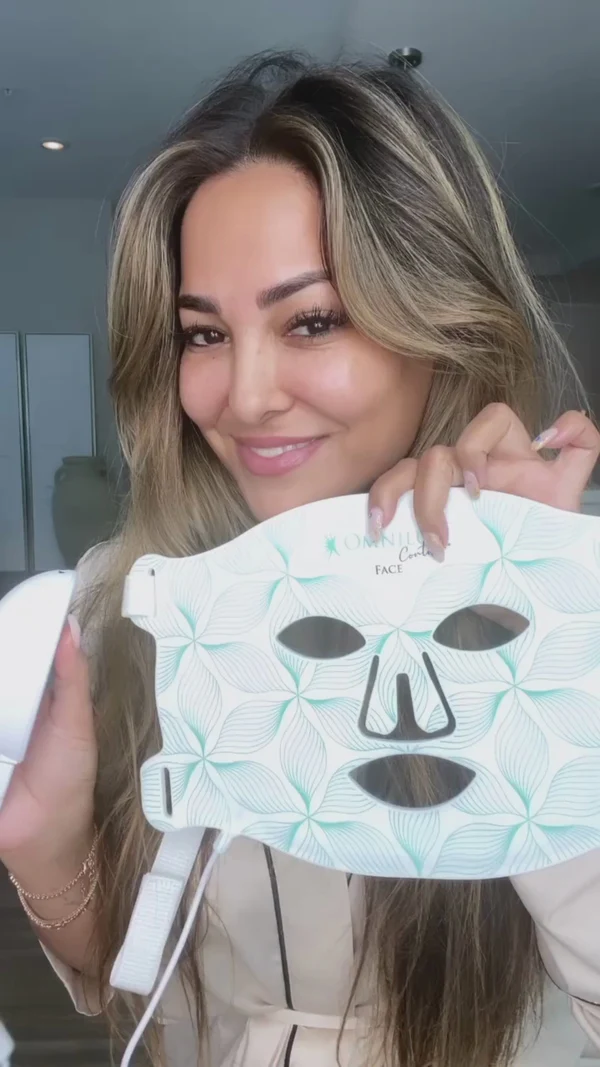
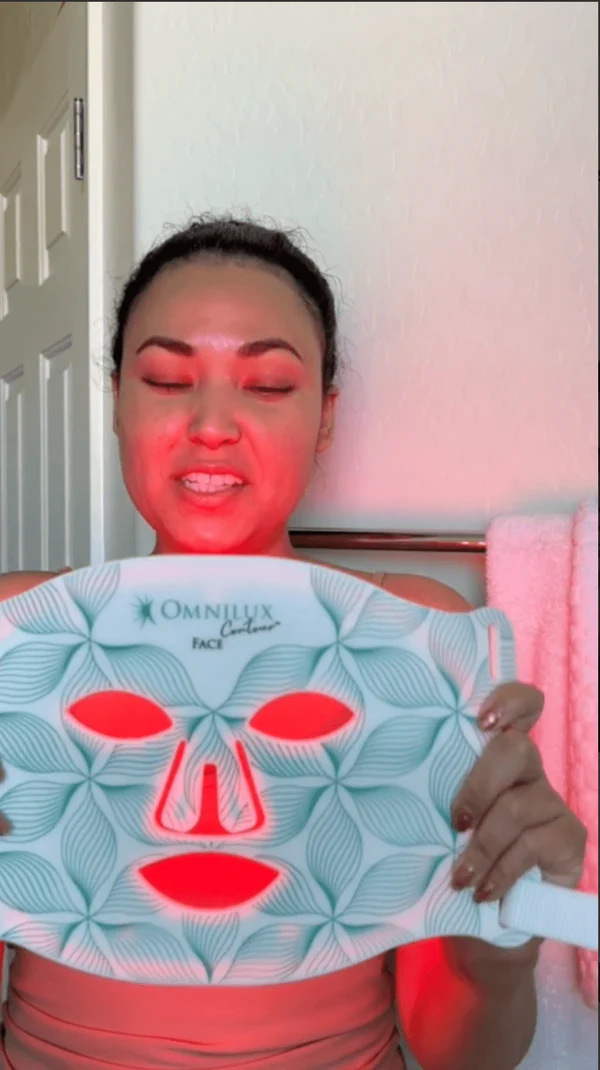
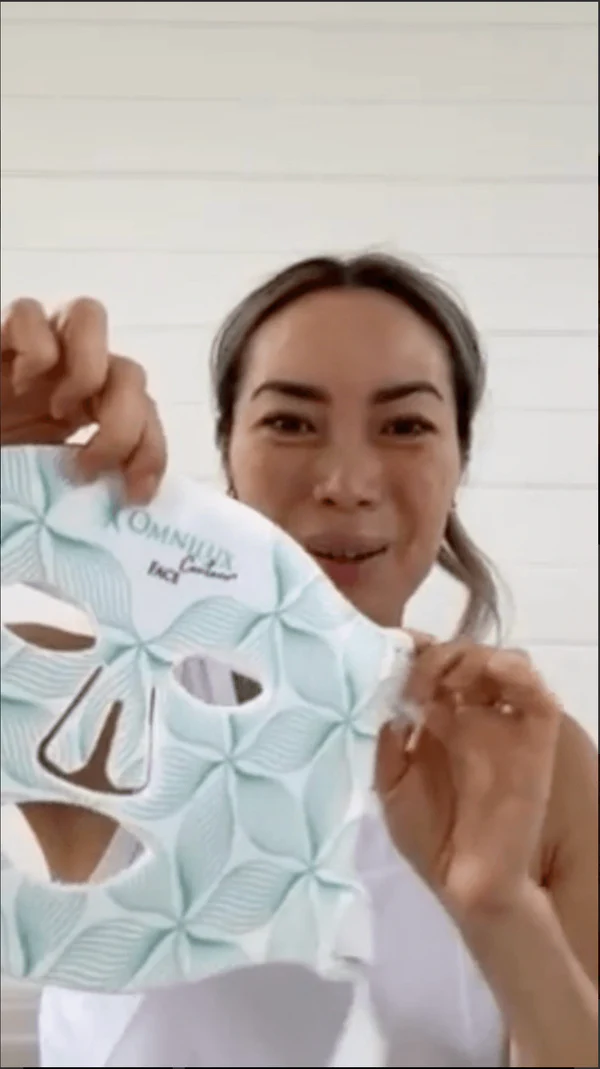
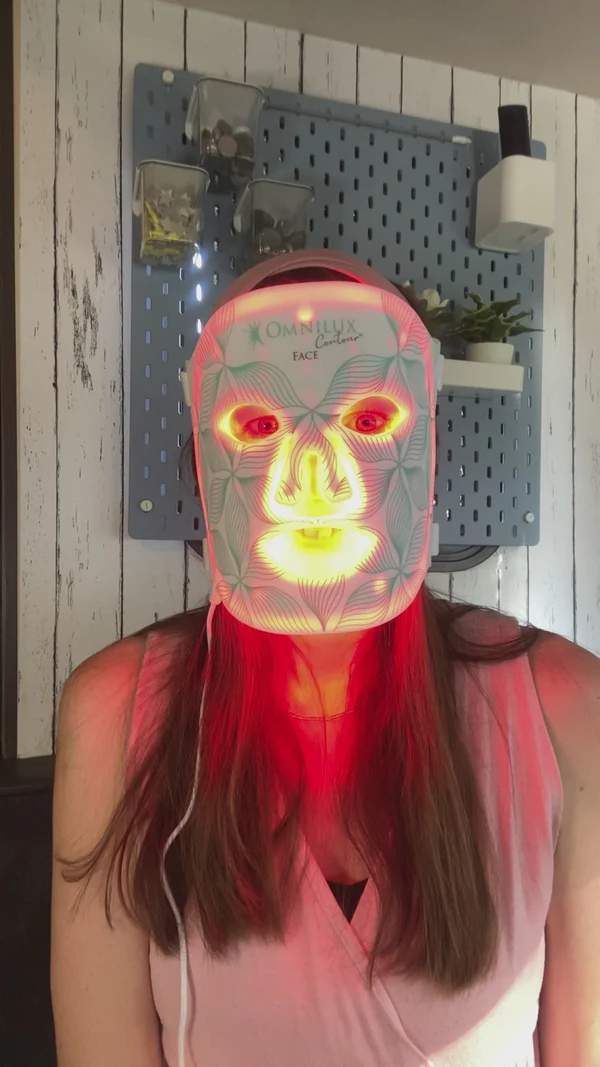
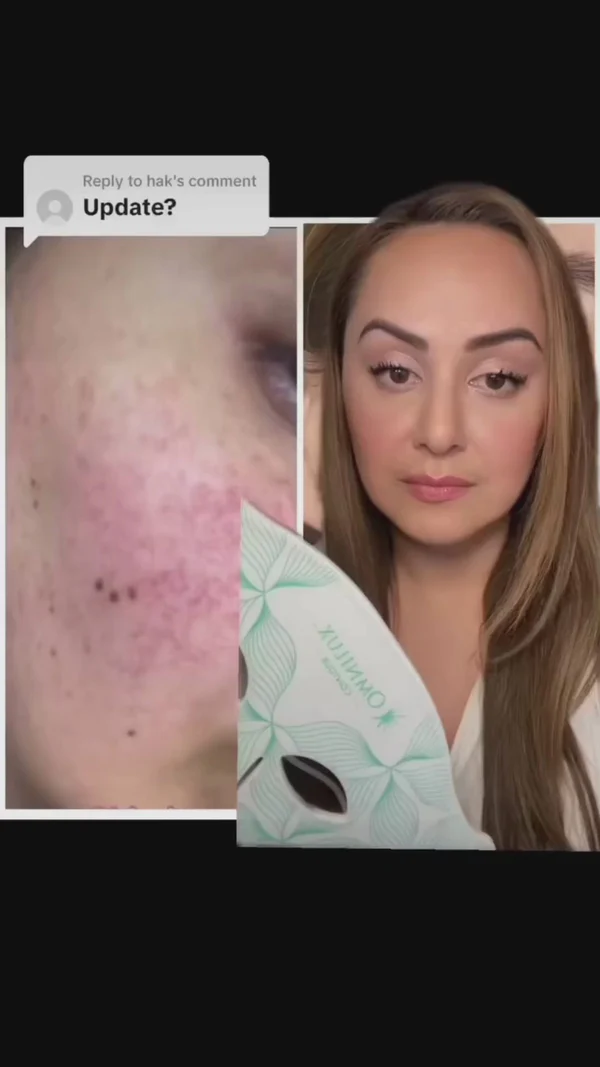
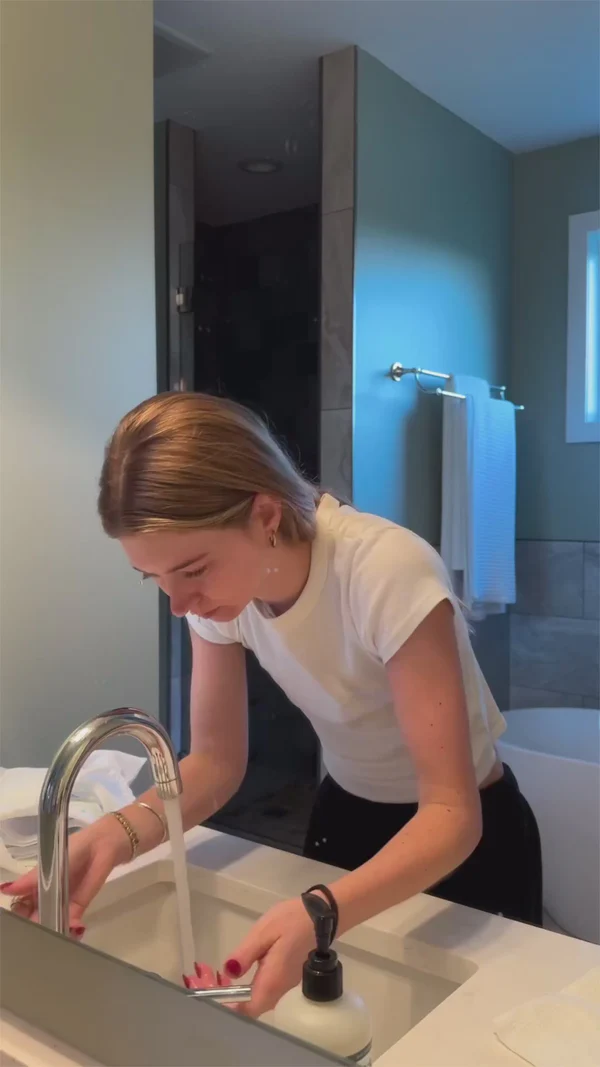

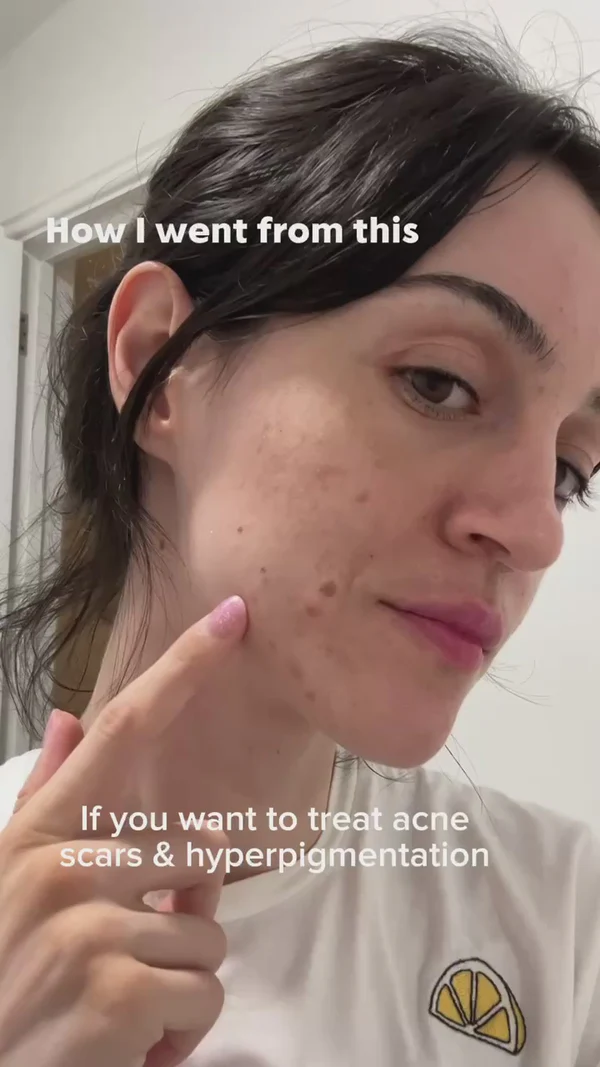
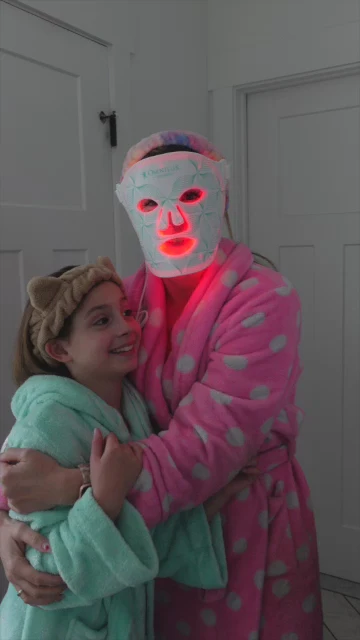
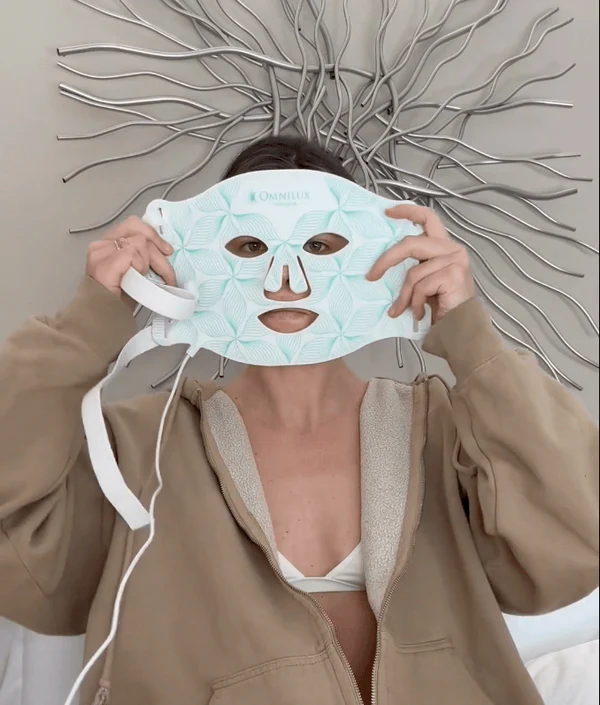



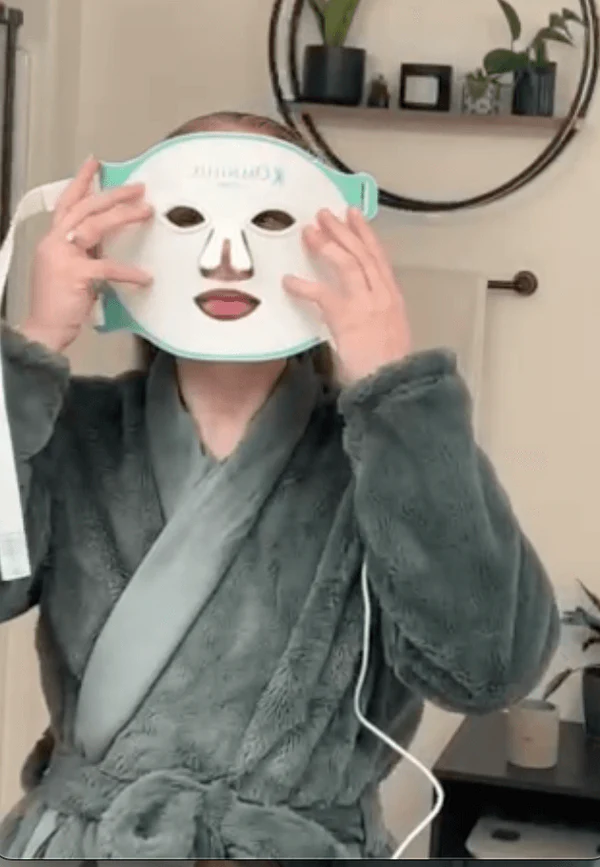

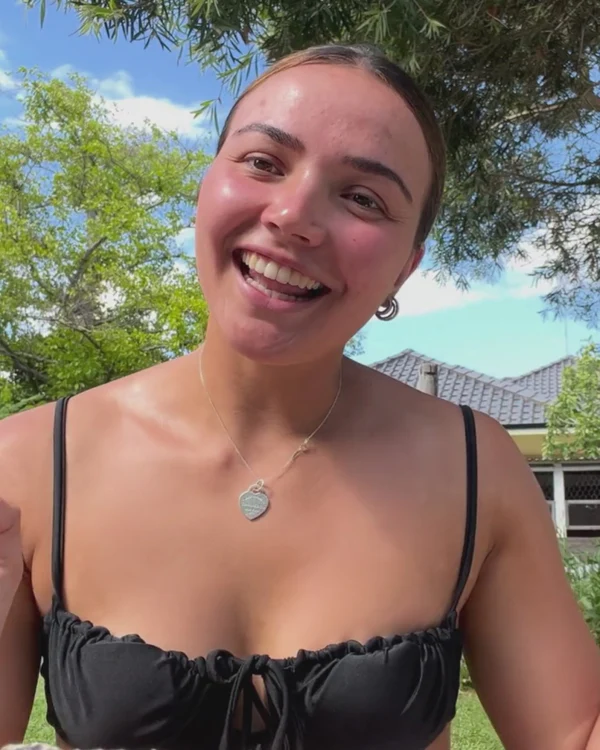
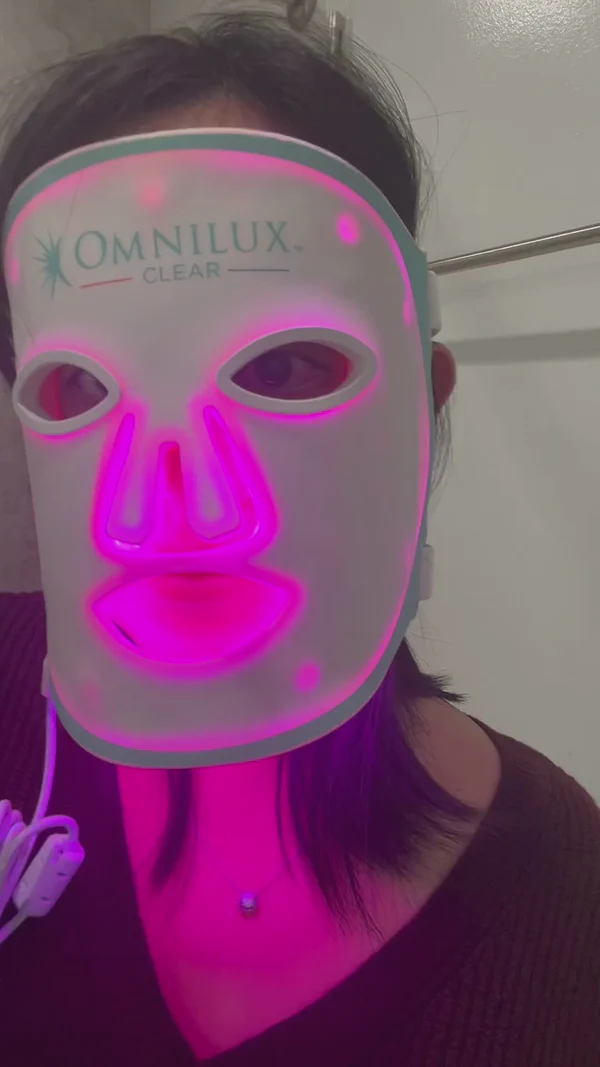
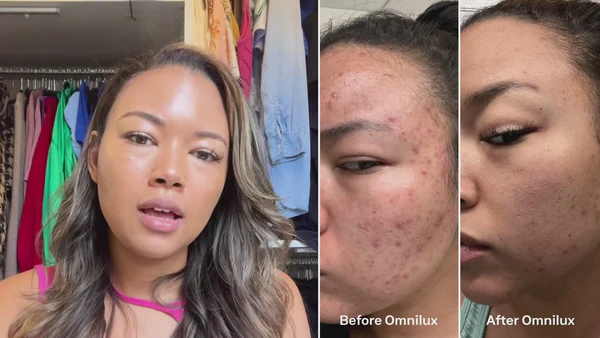
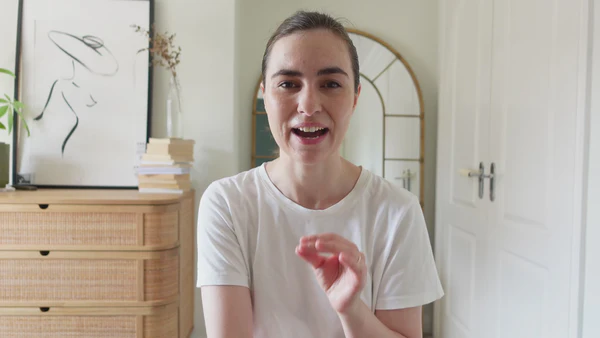

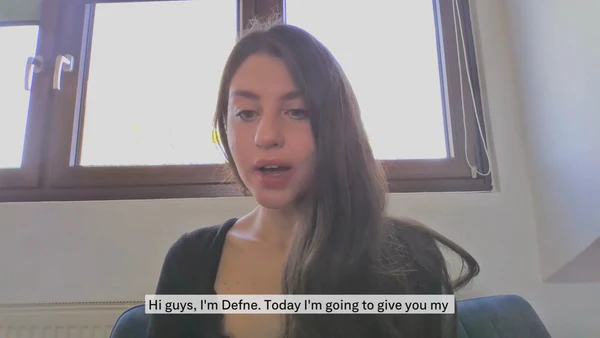




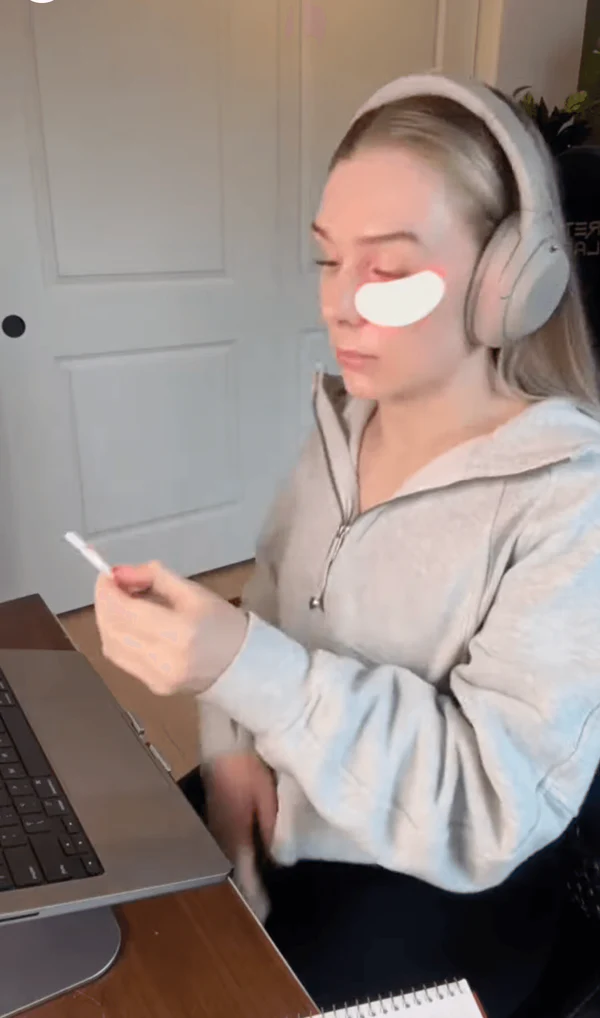
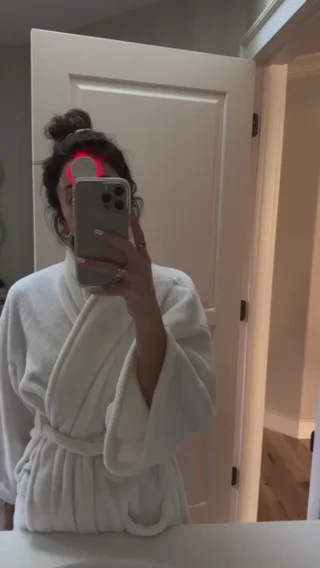
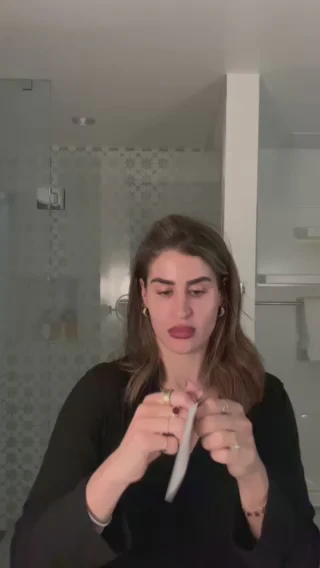

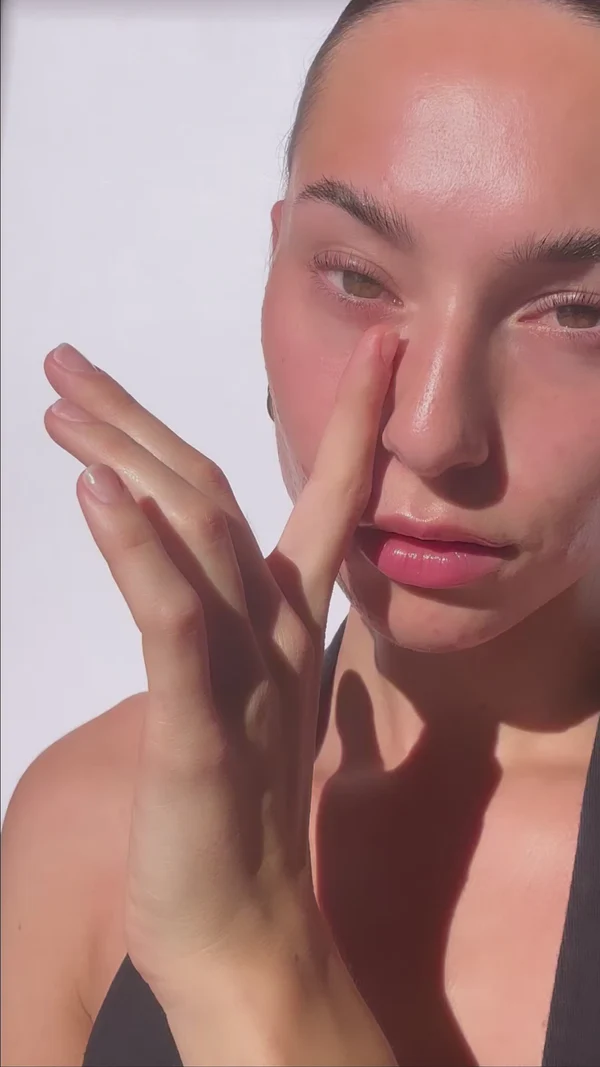
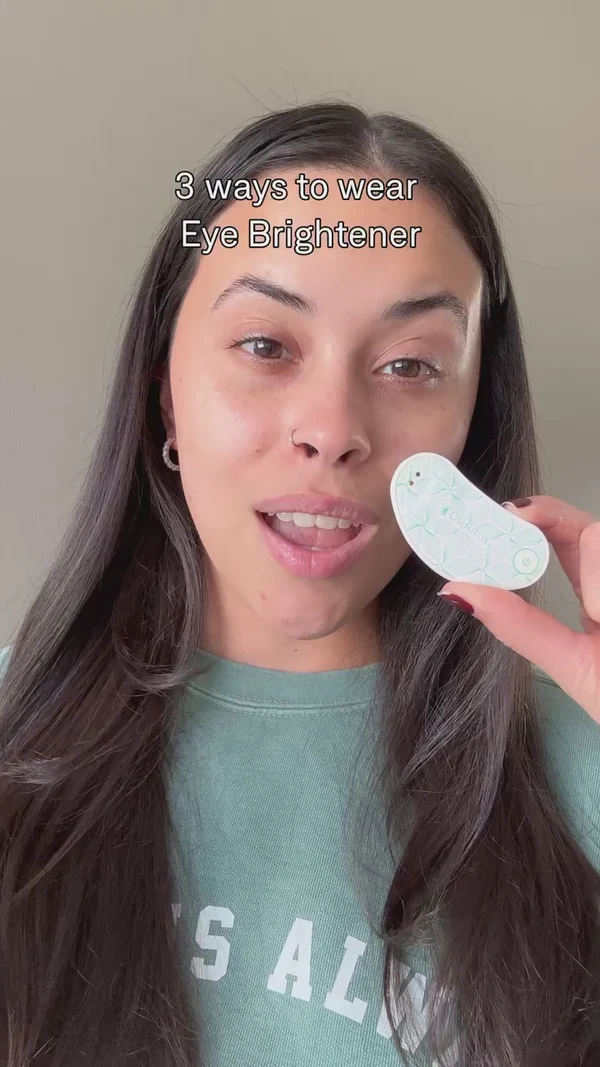
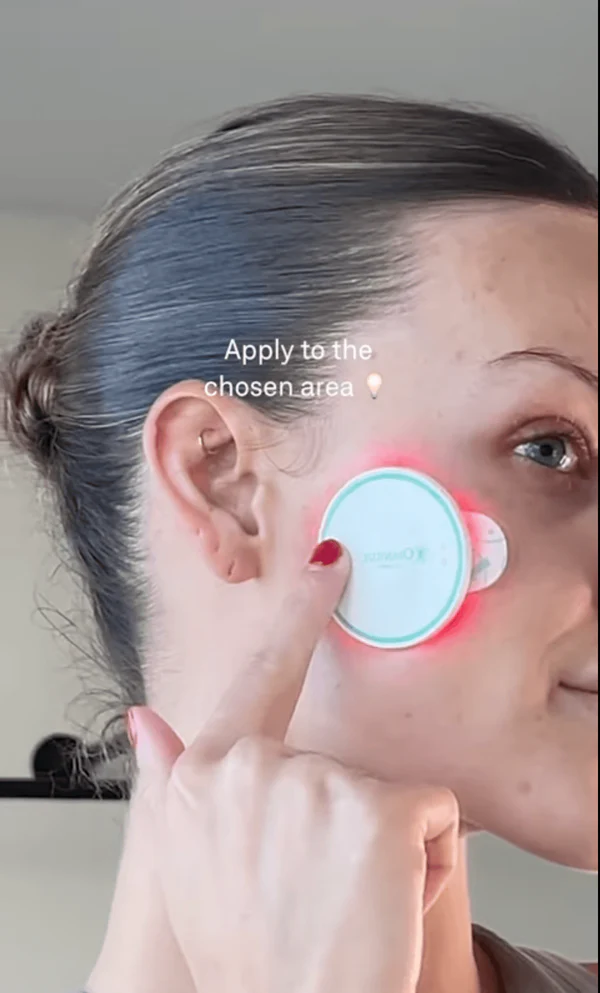
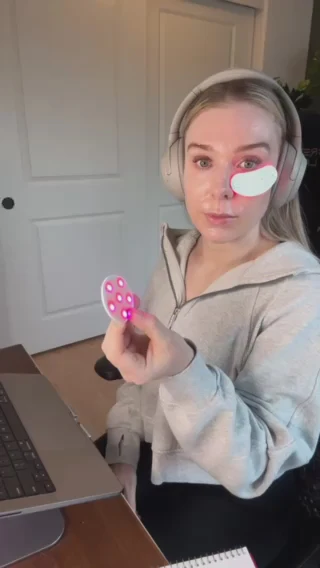
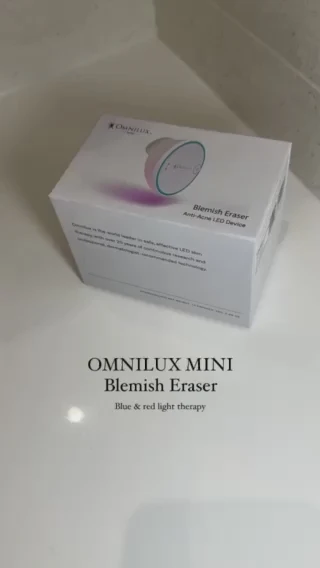
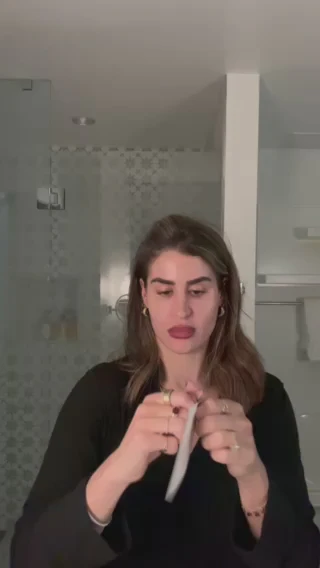

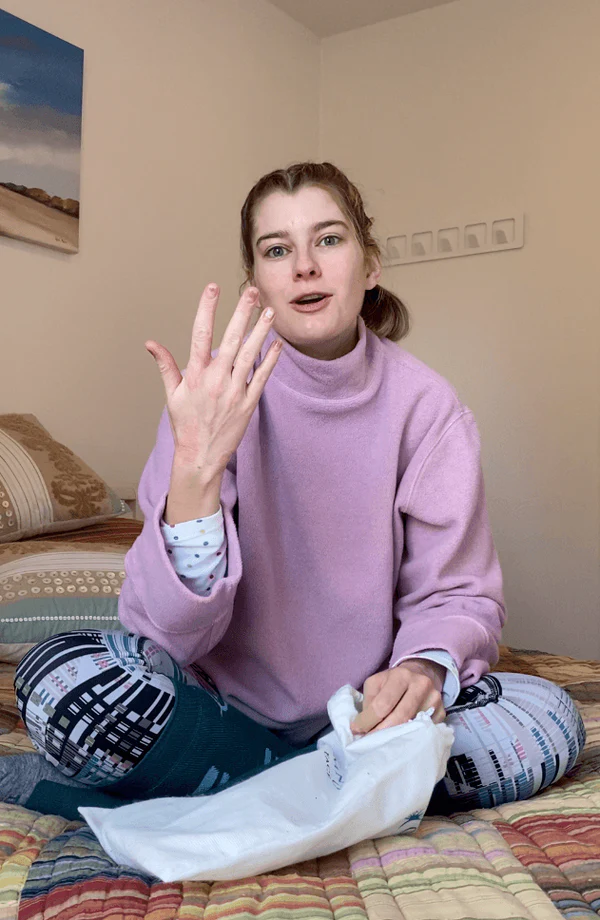
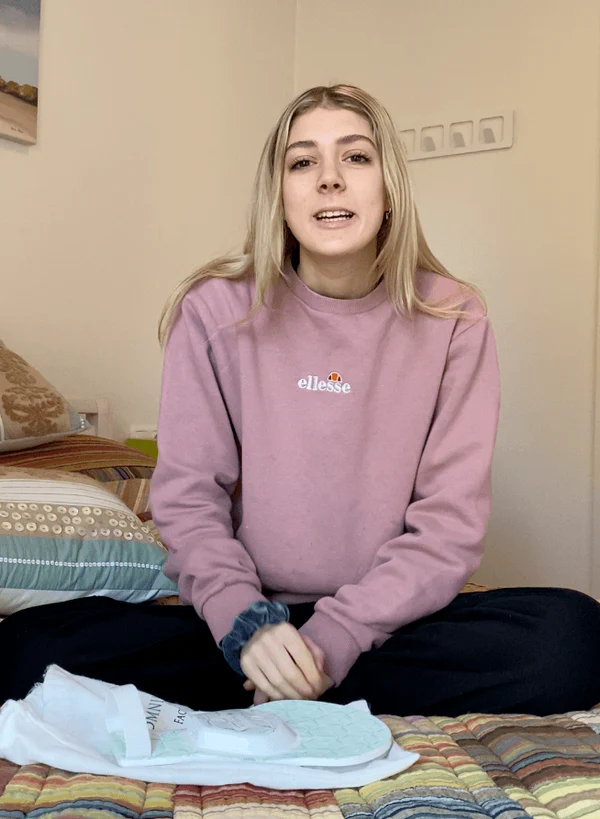
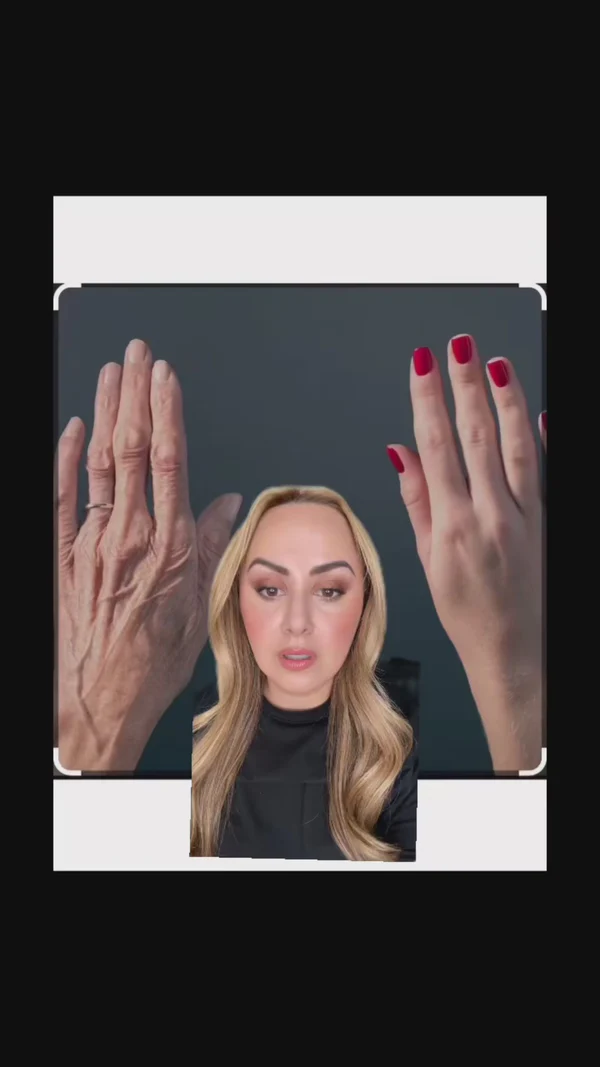

Before & Afters


Trusted by dermatologists and aesthetic experts


Over 40 Peer-Reviewed Clinical Papers & Studies
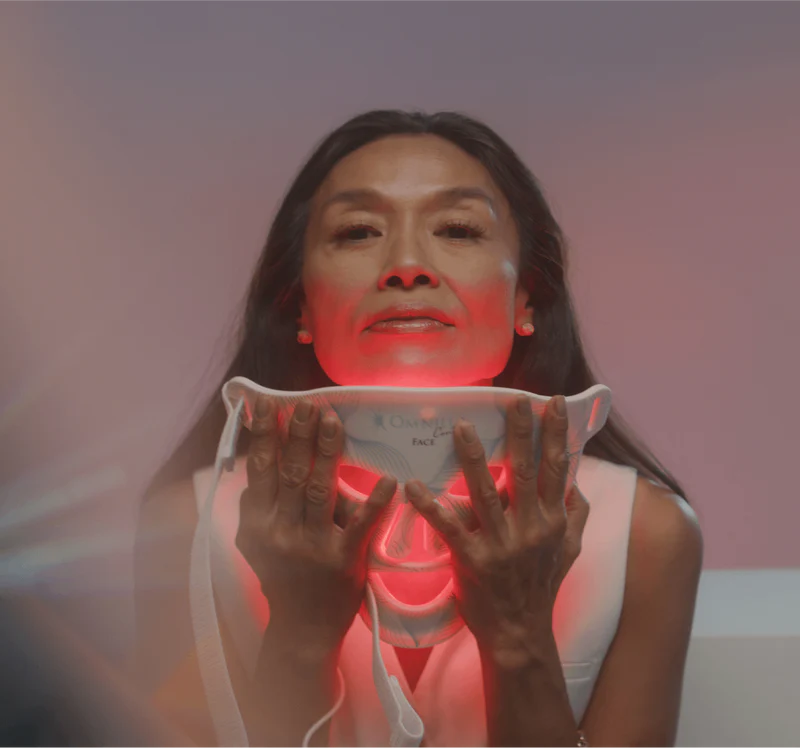
See the transformative effects of the Omnilux Contour™ FACE, backed by scientific evidence.
- 98% of participants reported their skin felt firmer
- 96% of participants reported their fine lines appeared less visible
- 95% of participants reported that their skin was brighter and plumper
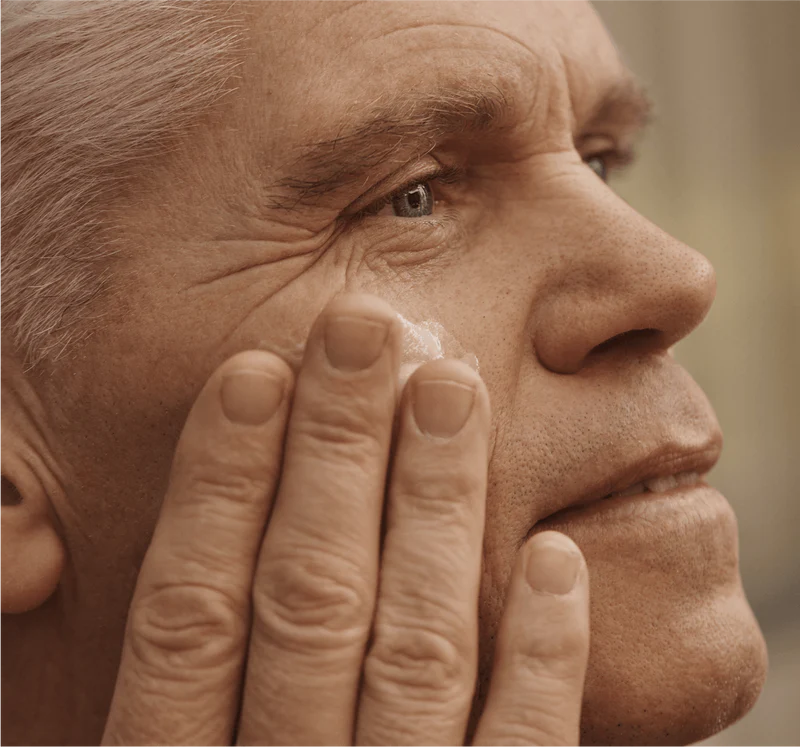
Discover how our LED mask uniquely benefits men's skin, proven by rigorous study. After 3-5 treatments per week for 6 weeks participants reported:
- Reduction in UV spots (sun damage)
- Fine lines appeared less visible
- Skin tone was more even
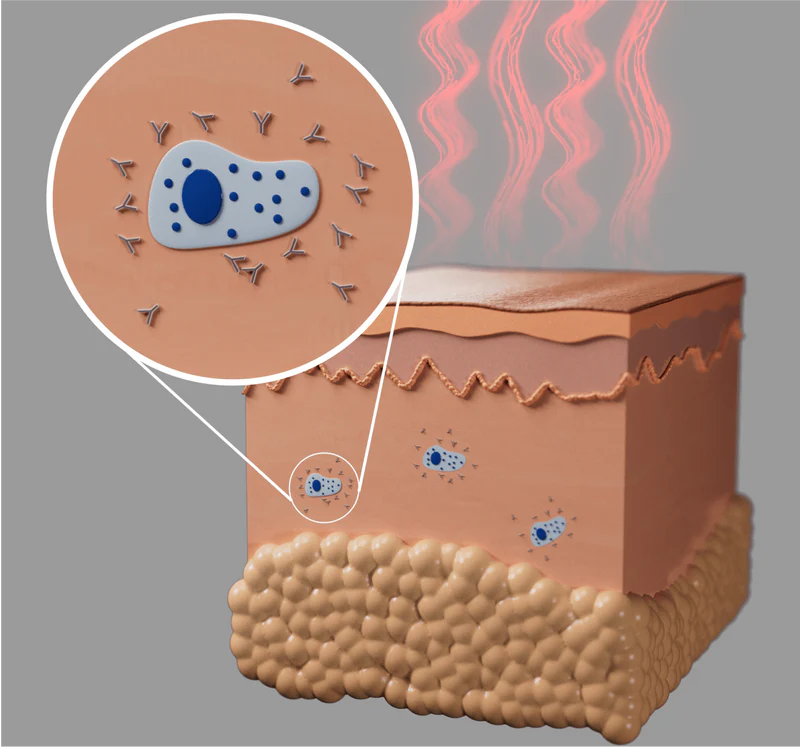
Groundbreaking research verifies red and near-infrared therapy's safety, offering peace of mind with every session.
- Confirmed safe on human skin cells, causing no DNA damage.
- Extensive testing underscores red and near-infrared light therapy as a safe skincare solution.
- Demonstrated near-infrared light, even at doses significantly higher than standard clinical guidelines, does not induce DNA damage and has a favorable safety profile.
Bibliografía clínica completa
Estudio abierto de 7 semanas para evaluar la eficacia y seguridad de la fototerapia de 415-nm/633-nm para el tratamiento del acné de leve a moderado en adolescentes y adultos
Ablon G.
Journal of Clinical and Aesthetic Dermatology. 2025;18(10):25–32
Ensayo aleatorio de tres métodos de fototerapia para el tratamiento del acné vulgar en pacientes chinos
Li-Hong Liu, Xin Fan, Yu-Xi An, et al.
Photodermatol Photoimmunol Photomed 2014; 30: 246–253
Un estudio para determinar el efecto de la terapia de combinación de diodos emisores de luz (LED) azul (415 nm) y casi infrarroja (830 nm) para el acné vulgar moderado
Sadick NS.
Journal of Cosmetic Laser Therapy. 2009;11(2):125–128
Dispositivo LED de mano en el tratamiento del acné vulgar
Sadick NS.
Journal of Drugs in Dermatol. 2008;7(4):347–350.
Fototerapia LED de combinación de luz azul y roja para el acné vulgar en pacientes con fototipo de piel IV
Lee SY, You CE y Park MY.
Lasers in Surgery and Medicine. 2007; 39: 180-188
Diodo emisor de luz de 415 nm en el tratamiento del acné inflamatorio
Tremblay JF, Sire DJ, Lowe NJ y Moy RL.
Journal of Cosmetic and Laser Therapy. 2006; 8: 31-33
Fototerapia LED de combinación azul (415 nm) y roja (633 nm) en el tratamiento del acné vulgar de leve a grave
Goldberg DJ y Russell BA.
Journal of Cosmetic and Laser Therapy. 2006; 8: 71-75
Un estudio abierto para determinar la eficacia de la luz azul en el tratamiento del acné de leve a moderado
Morton CA, Scholefield RD, Whitehurst C y Birch J.
Journal of Dermatological Treatment. 2005; 16: 219-223
Resumen del estudio clínico de Omnilux Contour Face
Informe clínico
Publicación revisada por expertos de Omnilux Men
Informe clínico
La luz roja visible no induce daños en el ADN de los fibroblastos dérmicos humanos
Jennifer Y. Wang, Evan Austin, Jared Jagdeo
Informe clínico
La luz infrarroja cercana no induce daños en el ADN de los fibroblastos dérmicos humanos
Jennifer Y. Wang, Evan Austin, Jared Jagdeo
Informe clínico
El uso de la terapia con diodos emisores de luz en el tratamiento de la piel fotoenvejecida
Baez F y Reilly LR.
Revista de Dermatología Cosmética. 2007; 6: 189-194
Un estudio clínico prospectivo, aleatorio, controlado con placebo, doble ciego y de cara dividida sobre la fototerapia con LED para el rejuvenecimiento de la piel: evaluaciones clínicas, perfilométricas, histológicas, ultraestructurales y bioquímicas y comparación de tres configuraciones de tratamiento diferentes
Lee SY, et al.
Revista de Fotoquímica y Fotobiología B. 2007; 88: 51-67
Un estudio controlado aleatorio y ciego para determinar la eficacia del tratamiento facial Omnilux Revive en el rejuvenecimiento de la piel
Bhat J, Birch J, Whitehurst C y Lanigan SW.
Láseres en la Ciencia. 2005; 20: 6-10
Un estudio para determinar la eficacia de la terapia de luz LED combinada (830 nm y 633 nm) en el rejuvenecimiento de la piel facial
Russell BA, Kellett N y Reilly LR.
Revista de Terapia Cosmética y Láser. 2005; 7: 196-200
Ensayo clínico de una matriz de LED Omnilux de 633 nm no térmica para la renovación del fotoenvejecimiento: resultados de perfilometría de superficie clínica
Kim JW.
Revista de la sociedad coreana de Medicina y Cirugía Láser. 2005; 9: 69-76
A Near Infrared LED-Based Rehabilitation System: Initial Clinical Experience
Baxter GD, Bleakley C, Glasgow P and Calderhead RG.
Laser Therapy. 2005; 14.1: 29-36
Combined Infrared Laser and LED Therapy for Post Mastectomy Pain and Discomfort: A Case Report
Trelles MA and Calderhead RG.
Laser Therapy. 2005; 14.1:41-45
Phototherapy With Light Emitting Diodes: Treating a Broad Range of Medical and Aesthetic Conditions in Dermatology
Ablon G.
Journal of Clinical Aesthetic Dermatol. 2018;11(2):21–27.
The Photobiological Basics Behind Light-Emitting Diode (LED) Phototherapy
Calderhead RG.
Laser Therapy. 2007; 16.2: 97-108
Light-Emitting Diode Phototherapy at 630 +/- 3 nm Increases Local Levels of Skin-Homing T-Cells in Human Subjects
Takezaki S, Omi T, Sato S and Kawana S.
Journal of Nippon Medical School. 2006; 73:75-81
Ultrastructural Observations Of Human Skin Following Irradiation With Visible Red Light-Emitting Diodes (LEDs): A Preliminary In Vivo Report
Takezaki S, Omi T, Sato S and Kawana S.
Laser Therapy. 2005; 14.4: 153-160
Laser Resurfacing Today – Not All Photoscience is Photothermal
Calderhead RG.
Journal of Cosmetic Dermatology. 2004; 2: 242-243 (Letter to the Editor)
One Mechanism Behind LED Phototherapy for Wound Healing and Skin Rejuvenation: Key Role of the Mast Cell
Calderhead RG, Kubota J, Trelles MA and Ohshiro T.
Laser Therapy. 2008; 17.3: 141-148
Low Level Laser Therapy and Phototherapy Assisted Hydrogel Dressing in Burn Wound Healing: Light Guided Epithelial Stem Cell Biomodulation
Kim JW and Lee JO.
In: Innovations in Plastic and Aesthetic Surgery. Springer; 2008. p. 36-41
Combined Visible Light and Infrared Light-Emitting Diode (LED) Therapy Enhances Wound Healing After Laser Ablative Resurfacing of Photodamaged Facial Skin
Trelles MA, Allones I and Mayo E.
Medical Laser Application. 2006; 21: 165-175
Red Light-Emitting Diode (LED) Therapy Accelerates Wound Healing Post-Blepharoplasty and Periocular Laser Ablative Resurfacing
Trelles MA and Allones I.
Journal of Cosmetic and Laser Therapy. 2006; 8: 39-42
Red Light-Emitting Diode (LED) Therapy-Assisted Healing Improves Results of Er:Yag Laser Ablation of Plantar Verrucae
Trelles MA and Calderhead RG.
Laser Therapy. 2005; 14.4: 179-183
The improvement of Hypertrophic Scar and Keloidal Scar by Combining Drilling Tiny Pinholes with Carbon Dioxide Laser and 830nm Omnilux PDT LED
Kim JW, Lee JO and Calderhead RG.
Journal of the Korean society for Laser Medicine and Surgery. 2005; 9: 1-6
Synergic Effect of Ablating Erbium Yag Laser Skin Resurfacing Combined with Non-Ablating Quasilaser Light 415nm, 633nm, 830nm LED Array in Asian Patients
Kim JW, Lee JO, Calderhead RG, Rhee CG and Ahn WS.
Journal of the Korean Society for Laser Medicine and Surgery. 2005; 9: 15-23
* Please Note: Wound Healing & Photodynamic Therapy are not FDA-cleared indications.[1]
Pilot Study to Determine the Efficacy of ALAPDT Photorejuvenation for the Treatment of Facial Aging
Lowe NJ and Lowe P1.
Journal of Cosmetic and Laser Therapy. 2005; 7: 159-162
* Please Note: Wound Healing & Photodynamic Therapy are not FDA-cleared indications.[1]
Long-term Follow-Up of Photodynamic Therapy With a Self-Adhesive 5-aminolaevulinic Acid Patch: 12 Months Data
Szeimies RM, Stockfleth E, Popp G, et al.
British Journal of Dermatol. 2010;162(2):410–414
Optimization of Photodynamic Therapy with a Novel Self-Adhesive 5-Aminolaevulinic Acid Patch
Hauschild A, Stockfleth E, Popp G, et al.
British Journal of Dermatol. 2009;160(5):1066–1074
Efficacy of ALA-PDTvs. Blue Light in the Treatment of Acne
Akaraphanth, R, et al.
Photodermatology Photoimmunology & Photomedicine 2007; 23: 186–190.
In Vitro and In Vivo Comparison of Two Different Light Sources for Topical Photodynamic Therapy
Babilas P, et al.
British Journal of Dermatology. 2006; 154: 712-718.
Comparison of Paterson PDT and LED Light Outputs
Hutson S.
Internal document of Photo Therapeutics Ltd. DES/Tech/0506. May 28, 2002
Photodynamic Therapy for Large or Multiple Patches of Bowen’s Disease and Basal Cell Carcinoma
Morton CA, Whitehurst C, McColl JH, Moore JV and MacKie RM;
Archives of Dermatology. 2001; 137: 319-324
Treating Basal Cell Carcinoma: Has Photodynamic Therapy Come of Age?
Morton CA.
British Journal of Dermatology. 2001; 145: 1-2 (editorial comment)
Routine Double Treatments of Superficial Basal Cell Carcinomas Using Aminolaevulinic Acid Based Photodynamic Therapy
Haller JC, Cairnduff F, Slack G, Schofield J, Whitehurst C, Tunstall R, Brown SB and Roberts DJH.
British Journal of Dermatology. 2000; 143: 1270-1274
Comparison of Red and Green Light in the Treatment of Bowen’s Disease by Photodynamic Therapy
Morton CA, Whitehurst C, Moore JV and MacKie RM.
British Journal of Dermatology, 2000, 143, 767-772.
Photodynamic Therapy with Meso-Tetra (hydroxyphenyl) Chlorin in the Topical Treatment of Bowen’s Disease and Basal Cell Carcinoma
Gupta G, Morton CA, Whitehurst C, Moore JV and Mackie RM.
British Journal of Dermatology. 1999; 141: 385-386
Treatment of Penile Lichen Planus with Photodynamic Therapy
Kirby B, Whitehurst C, Moore JV and Yates VM.
British Journal of Dermatology.1999; 141: 765-766 (correspondence).
Photodynamic Therapy for Basal Cell Carcinoma – Effect of Tumor Thickness and Duration of Photosensitizer Application on Response
Morton CA, Whitehurst C, McColl JH, Moore JV and Mackie RM.
Archives of Dermatology. 1998; 134: 248-249
Comments on: Problems Associated with the Use of Broad-Band Illumination Sources for Photodynamic Therapy
Roberts F, Whitehurst C and Moore JV.
Physics in Medicine and Biology. 1996, 41, 1518-1521
Comparison of Photodynamic Therapy with Cryotherapy in the Treatment of Bowen’s Disease
Morton CA, Whitehurst C, Moseley H, McColl JH, Moore JV and Mackie RM.
British Journal of Dermatology. 1996; 135: 766-771
Photodynamic Therapy of Primary Skin Cancer: A Review
Roberts DJH and Cairnduff F.
British Journal of Plastic Surgery. 1995; 48: 360-370
Development of an Alternative Light Source to Lasers for Photodynamic Therapy: 3. Clinical Evaluations in the Treatment of Pre-Malignant Nonmelanoma Skin Cancer
Morton CA, Whitehurst C, Moseley H, Moore JV and MacKie RM.
Lasers in Medical Science. 1995; 10: 165-171
Development of an Alternative Light Source to Lasers for Photodynamic Therapy: 2. Comparative In Vivo Tumor Response Characteristics
Whitehurst C, Humphries JD and Moore JV.
Lasers in Medical Science. 1995; 10: 121-126
Development of an Alternative Light Source to Lasers for Photodynamic Therapy: 1. Comparative In Vitro Dose Response Characteristics
Whitehurst C, Byrne K and Moore JV.
Lasers in Medical Science. 1993; 8: 259-267
* Please Note: Wound Healing & Photodynamic Therapy are not FDA-cleared indications.[1]
